

Radio Patio
Almodóvar's Madrid: Plaza de Chueca and San Gregorio
Visit Almodóvar's iconic Madrid spots: Plaza de Chueca and Calle San Gregorio, featured in his films. Explore the neighbourhood's cinematic charm.

Chueca has that rare quality you can't replicate: it feels like both a neighbourhood and a film set. By day, it's all terraces and short strolls; by night, conversations that start with 'just one more' and end with 'I'll text you tomorrow'. And in between, the Madrid Pedro Almodóvar has captured so many times: urban, contradictory, brilliant, sometimes dark… always human.
If you're wondering what Almodóvar has to do with Chueca, the answer is simple: Chueca is in his films, literally. In ¡Átame! (1989), Plaza de Chueca and Calle San Gregorio feature as part of those night-time walks that capture the centre's vibe in the 80s and 90s. And in Dolor y gloria (2019), he chose a hidden and beautiful spot — El Invernadero de The Sibarist, at Calle San Lorenzo 11 — as a key location.
This blog is about just that: three real-life scenes, three places you can experience on foot, without ticking off a tourist checklist.
¡Átame! and the night in Plaza de Chueca: when the neighbourhood was rougher (and already magnetic)
Some neighbourhoods become 'iconic' because someone decides so in an office. Not Chueca. Chueca became iconic because things happened here. And Almodóvar had the eye to capture that energy before it turned into a postcard.
In ¡Átame! (1989), he placed part of the centre's night-time pulse in Plaza de Chueca, with Calle San Gregorio nearby, as if they were two consecutive frames: the meeting point and the corridor that pushes you to keep going. Madrid Film Office explicitly lists these filming locations.
The interesting part isn't 'going to take a photo'. The interesting part is understanding the scene: Chueca as a place where you cross paths with people who aren't performing for anyone. Where the neighbourhood doesn't ask for your permission to exist. Walk it today, and you'll notice something special: the plaza is still a plaza. There are benches, pedestrian crossings, terraces, people sitting and watching. The neighbourhood has changed (a lot), but its heart — that feeling of 'life lived out in the open' — remains.
Patio Tip (to experience it properly): head to the plaza in the late afternoon and stay until night falls. The change in light is half the film: from 'gentle daytime' to 'a night full of promise'. You don't need anything more.
Calle San Gregorio: the 'frame' between what you see and what you sense
San Gregorio is one of those streets that quietly gives you context. It's not an avenue shouting 'look at me', but that's exactly why it works so well on screen: it's a street of transit, a street to go, to return, to 'think about it'.
In Almodóvar's universe, this kind of street matters because his stories aren't about monuments; they're about small decisions: turning a corner, following someone, pausing for a second, looking back. Madrid Film Office mentions it alongside Plaza de Chueca as part of the locations for ¡Átame!.
Walking it today is a simple exercise: you go from the openness of the plaza to a street that gathers you, organises you, puts you in 'I'm heading somewhere' mode. And that's perfect for a night plan: because the best prelude isn't always the loudest. Sometimes the prelude is walking with intention.
This is where El Patio fits naturally: Chueca is social, yes, but it's also compact. You don't need the typical 'logistical plan' of a big city. You can move by feel: plaza, street, corner… and return to base with the neighbourhood still in your bones.
Dolor y gloria and El Invernadero de The Sibarist (San Lorenzo, 11): the most 'Almodovarian' secret steps from Chueca
If ¡Átame! shows you the rawer, nocturnal Chueca of its time, Dolor y gloria reveals another side of the neighbourhood (and its border with Salesas/Justicia): hidden beauty.
Almodóvar filmed at El Invernadero de The Sibarist, on Calle San Lorenzo 11, a glass-enclosed space within a stately courtyard, which Somos Chueca identified as the chosen location for the film. The Sibarist also describes it as a distinctive venue, geared towards events and shoots, which explains why it works so well on screen: it's a space that feels both real and almost unreal.
And here's the loveliest part of the plan: this kind of place changes how you see the city. Madrid has many famous spots, but the ones you truly remember are those hidden in plain sight. A 19th-century greenhouse in an inner courtyard, right in the heart of 28004, just steps from Chueca… it's exactly the kind of Madrid that makes you say, 'How does this exist here?'
You don't need to turn it into an urban safari. In fact, better not. Stick to the Almodovarian idea: Madrid is a city of layers. There's an outer Madrid (streets, plazas) and an inner Madrid (courtyards, doors, private worlds). This greenhouse is a gateway to that second Madrid.
And if you'd like to tie it all together with a complete narrative, you have the perfect final point: the city has routes and pieces that talk about 'Almodóvar's Madrid', but here you already have the essentials: a plaza, a street and a secret interior. That's cinema.
Radio Patio
Keep reading
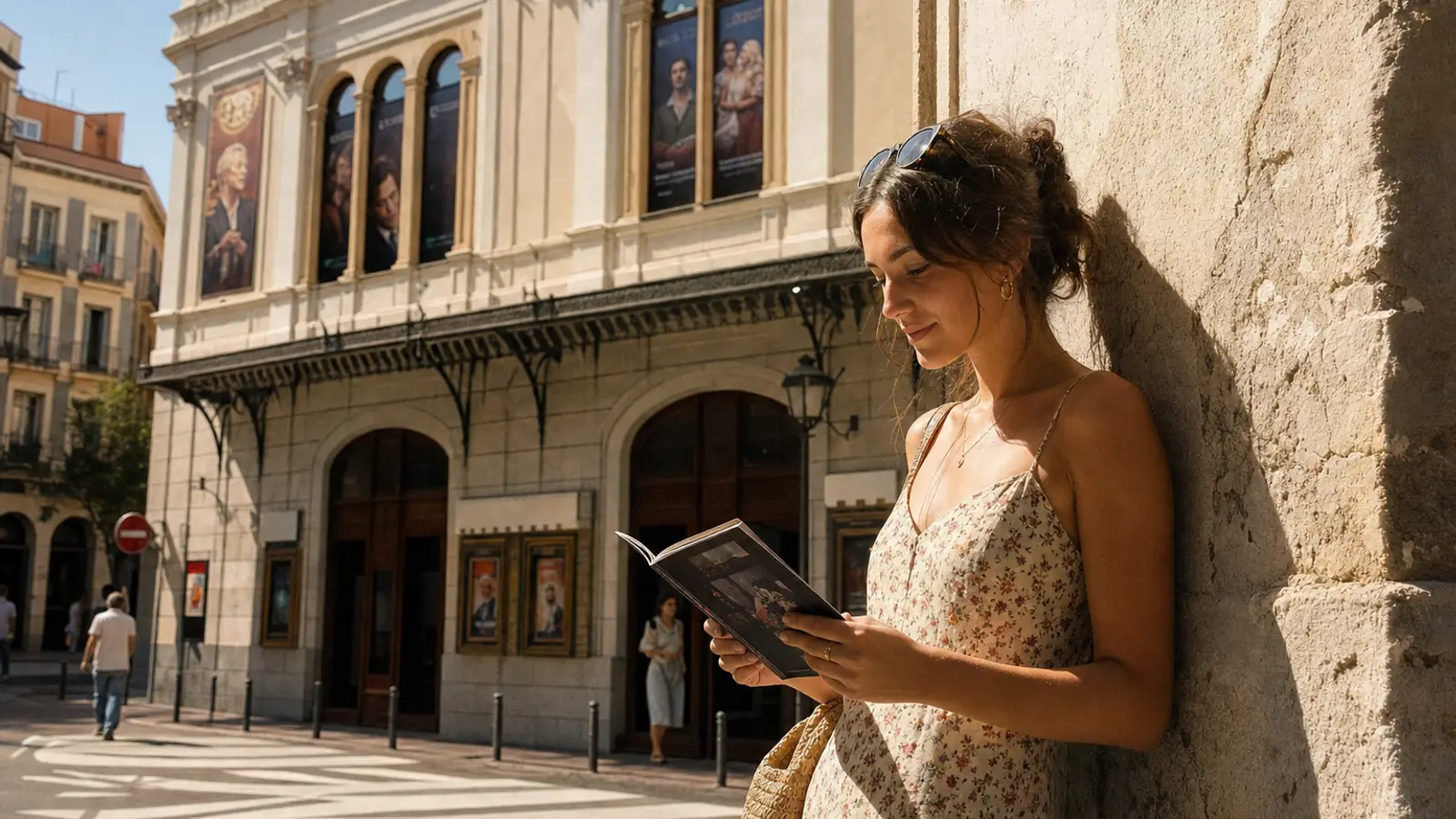
Rutas culturales desde Chueca: teatros y cine en el centro
Explora teatros, cines y espacios culturales cerca de Chueca. Desde clásicos como el Teatro Lara hasta el Cine Doré, descubre el Madrid cultural.
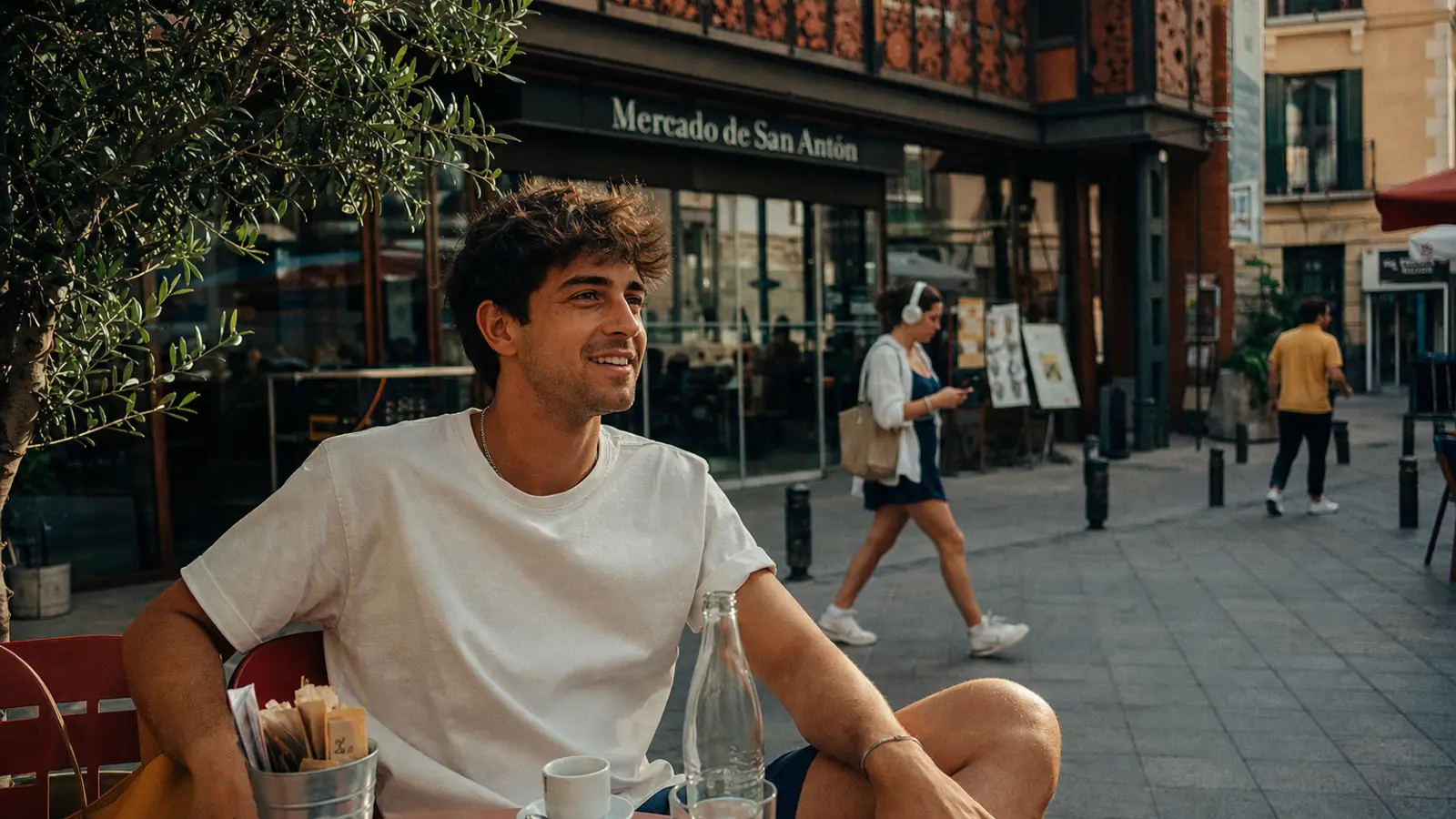
Los alojamientos más cómodos cerca del Mercado de San Antón
Descubre alojamientos cómodos y prácticos a pocos minutos del Mercado de San Antón en Chueca, Madrid. ¡Explora el barrio desde la Plaza de Pedro Zerolo!
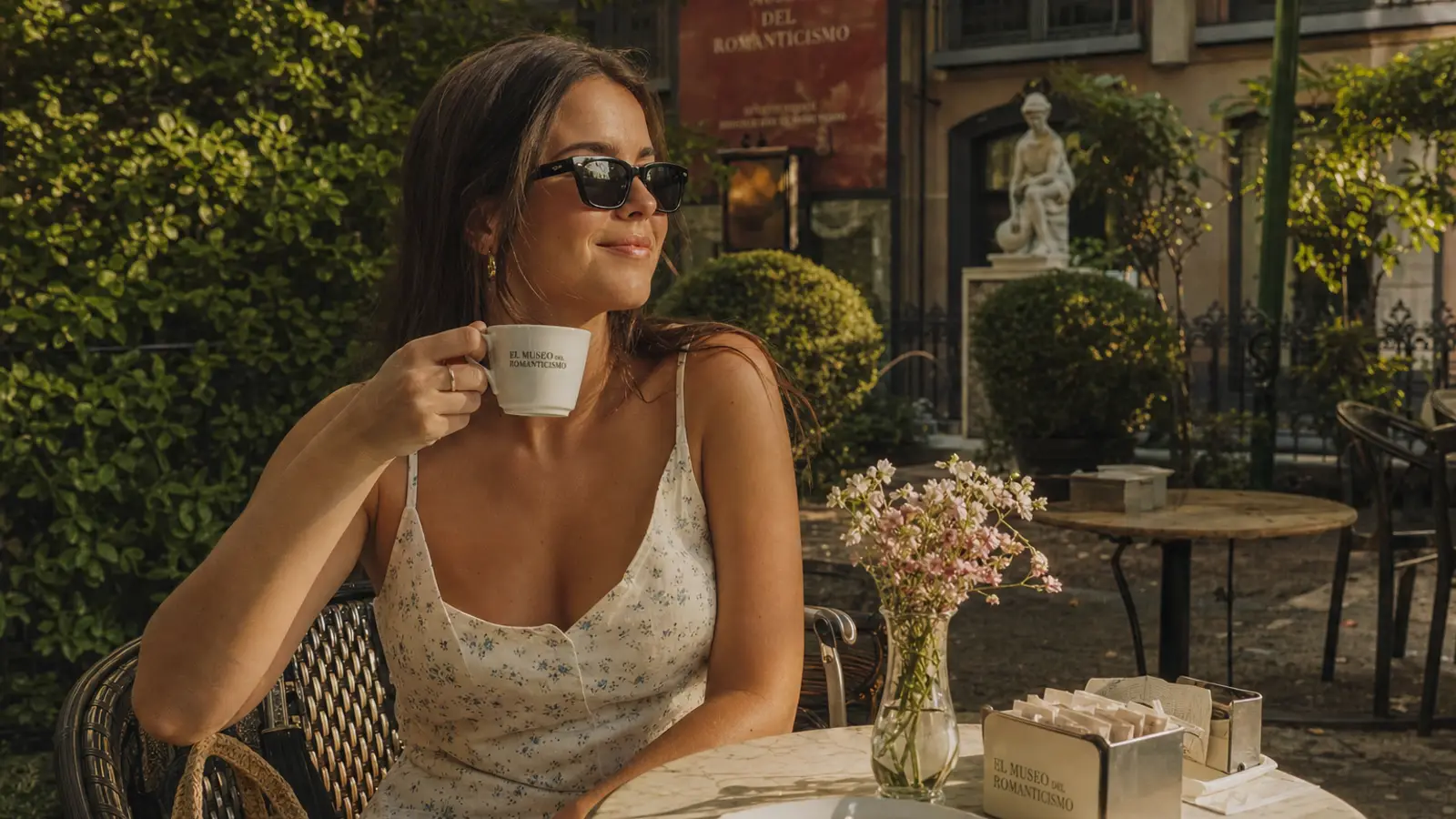
Un día en el Museo del Romanticismo: visita desde Chueca
Descubre el Museo del Romanticismo en Madrid, cerca de Chueca. Vive el siglo XIX con arte, cultura, actividades y un jardín encantador.