

Radio Patio
Madrid Metro and Cercanías Disruptions Guide for September 2026
Navigate Madrid's Metro and Cercanías disruptions this September. Key routes, dates, tips, and alternatives for smooth travel from Chueca.
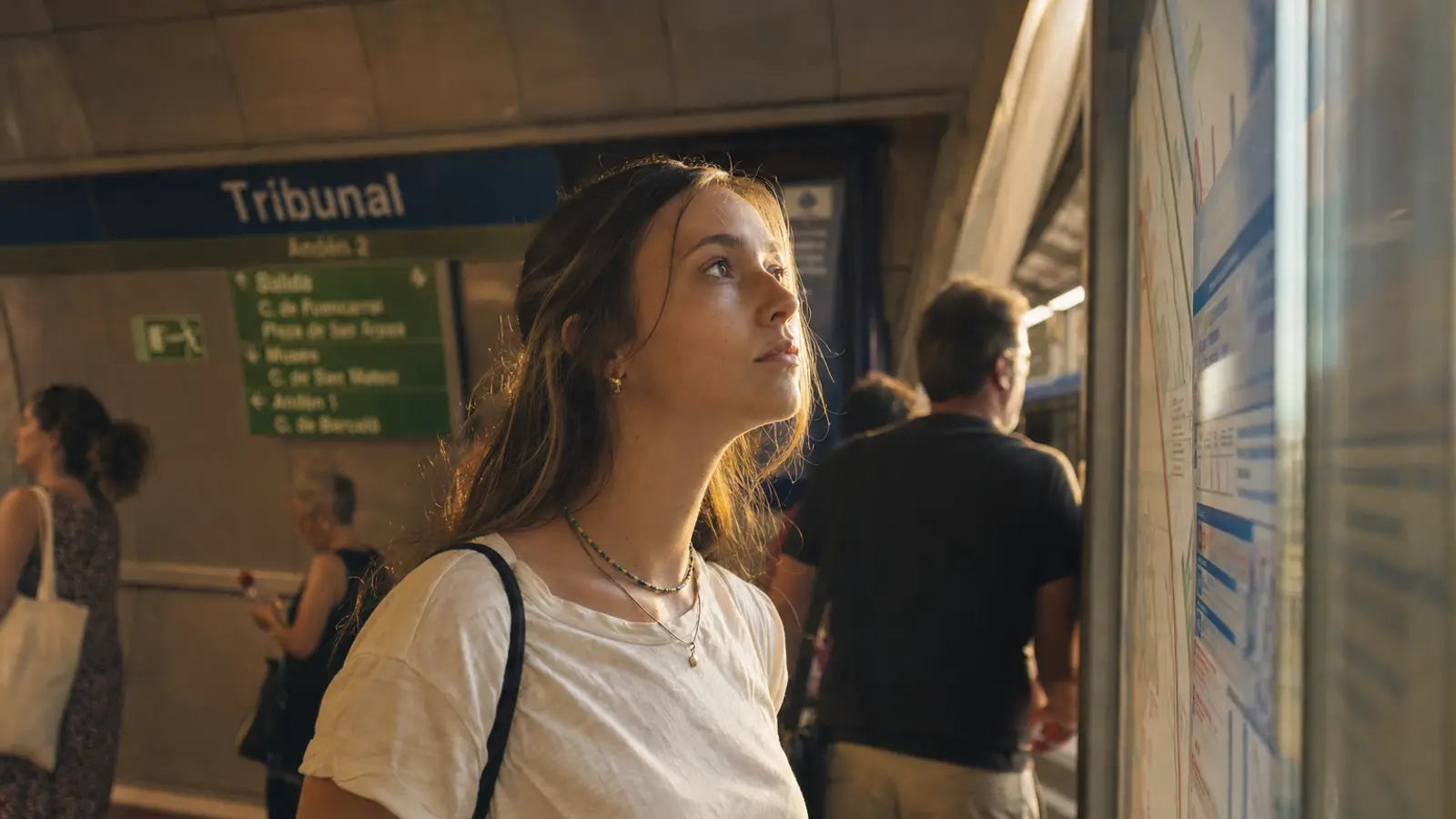
September 2026 brings significant changes to public transport in Madrid, especially Metro and Cercanías. Here’s what to know if you're staying in or passing through Chueca.
Which Metro lines are affected?
Metro Madrid has scheduled engineering works for September. Here’s the breakdown of the affected lines so you can plan your routes.
From our square, the closest alternative for the affected lines is Tribunal (Lines 1 and 10). The good news is that Line 5, the one that stops right in Chueca, is running as normal. No disruptions there.
If you usually rely on Line 1 to reach Sol or Valdecarros, consider using EMT buses as an alternative. Lines such as 26 and 32 can help bridge the gap between closed stations. For Line 4 disruptions, the Circular bus line (C2) offers a convenient way to travel between Argüelles and Goya. Finally, for Line 10, you might want to use the Cercanías network or EMT buses to bypass the affected section.
Additionally, Metro Madrid has announced that shuttle buses will operate in some of the affected areas. For instance, between Sol and Valdecarros, a temporary bus service will run every 10 minutes during peak hours. These buses are free for Metro ticket holders. Similarly, for the Line 4 closure, shuttle buses will connect Argüelles and Goya, ensuring minimal disruption for commuters.
What about Cercanías disruptions in September?
It’s not just the Metro. Renfe Cercanías trains are also impacted by major works. These are the lines with service changes:
The bottom line: if you’re heading north or to the airport via Cercanías, double-check your route and schedule. Don't get caught out.
From Chueca, Recoletos is still your go-to station for Cercanías, but expect fewer trains. During rush hour, a bus or taxi might be a faster, less crowded option.
For those affected by the C-4 closure, consider using Metro Line 1 or 10 to connect between Atocha and Chamartín, though be mindful of the Metro disruptions. Alternatively, EMT buses like the 27 line provide a direct route between these stations. If you're on the C-2 line, plan for delays and check for additional buses running between Alcalá de Henares and Recoletos.
Another option for those impacted by the C-4 closure is the long-distance AVE or Alvia trains, which continue to operate normally between Atocha and Chamartín. While these services are more expensive than Cercanías, they can save significant time during the disruption period. Be sure to book tickets in advance to secure a seat, especially during peak hours.
What transport alternatives are there from Chueca?
Guests ask us this a lot at reception: if the trains are down, what’s plan B? Here are the best ways to get around Madrid from our doorstep:
Heading out of the city? You'll need to check the official Renfe and Regional Transport Consortium (CRTM) websites for the most current train and intercity bus times. Schedules are changing.
If you're looking for a more eco-friendly option, BiciMAD bikes are a great way to navigate central Madrid. The stations at Plaza de Pedro Zerolo and Gran Vía are well-stocked, and the city's bike lanes make it a convenient choice. For longer journeys, consider using ride-hailing apps like Uber or Cabify, which are widely available in Madrid and can be booked in advance to avoid delays.
Another alternative is car-sharing services like Zity or Wible, which allow you to rent electric vehicles for short trips. These services are particularly useful for reaching areas not well-served by public transport during the disruptions. Parking zones are abundant in central Madrid, but always check availability through the app before starting your journey.
When should you avoid certain areas?
Chueca itself is fine, but we'd steer clear of Sol and Atocha stations during peak commuter times (7:30-9:30 AM and 5:00-7:00 PM). It gets packed. Expect buses on Gran Vía to be slower then, too.
If you must travel during these hours, try to plan your route to avoid major hubs. For example, use Tribunal station instead of Sol if you're heading to the northern parts of the city. Similarly, consider walking or cycling short distances to bypass congested areas like Atocha.
For those who need to travel during peak times, consider using less crowded stations like Nuevos Ministerios for transfers. This station offers connections to both Metro and Cercanías lines and is generally less chaotic than Atocha or Sol. Additionally, planning your journey to include a coffee break or a meal at quieter times can help you avoid the rush altogether.
Where to find updated information?
Information changes. For real-time updates, go straight to the source. These are the official channels:
The key is to plan ahead. A few minutes checking the route before you leave the hostel will save you a lot of hassle on the street.
For those who prefer mobile apps, both Metro Madrid and Renfe Cercanías have user-friendly platforms that provide live updates. Additionally, Google Maps and Citymapper are excellent tools for navigating Madrid's public transport system, offering real-time data and alternative routes.
Social media is another valuable resource. Follow @MetroMadrid and @CercaniasMadrid on Twitter for the latest updates and announcements. These accounts often share information faster than official websites, especially during emergencies or unexpected disruptions.
Radio Patio
Keep reading
Cómo celebrar el Orgullo si visitas Chueca por primera vez
Descubre consejos prácticos para disfrutar del Orgullo en Chueca: eventos, programa MADO, transporte, gastronomía y actividades culturales imperdibles.
Guía del 12 de Octubre: cortes de tráfico y cómo moverte por el centro
Descubre los cortes de tráfico y cómo desplazarte por el centro de Madrid durante el desfile del 12 de Octubre. Horarios, rutas alternativas y consejos.

Calle Fuencarral: tiendas y secretos entre Chueca y Malasaña
Explora la Calle Fuencarral, el corazón entre Chueca y Malasaña. Tiendas, arte urbano, gastronomía y rincones únicos te esperan en este vibrante paseo.