

Radio Patio
How to get to Chueca from anywhere in Madrid
Discover the best ways to reach Chueca in Madrid: metro, bus, taxi, walking, cycling, or driving. A detailed guide for travellers.
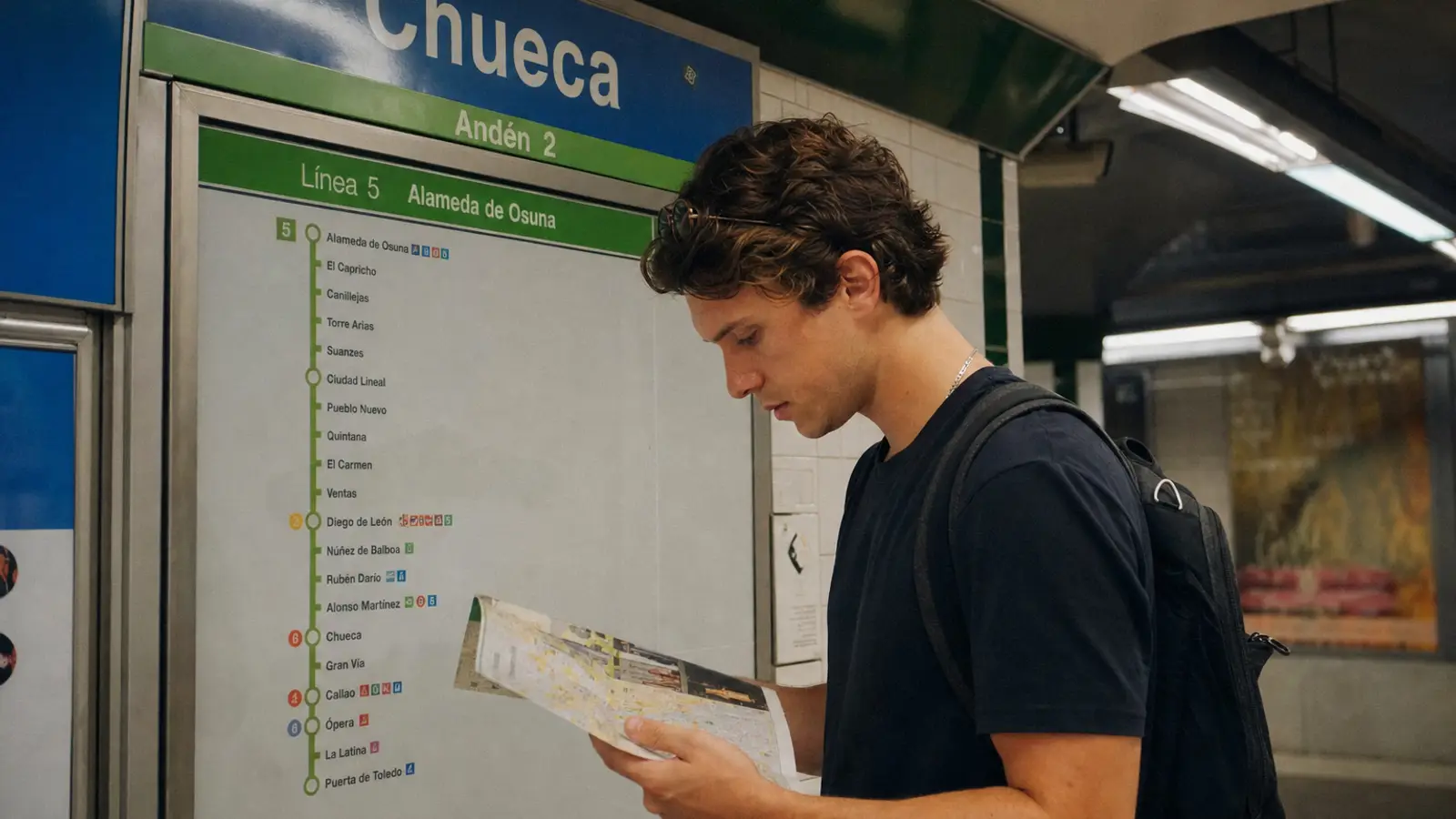
Chueca station on Metro line 5 is right at the heart of the neighbourhood. Getting here from anywhere in Madrid is straightforward once you know the options.
Which metro lines connect to Chueca?
Metro line 5 drops you right in Plaza de Chueca. From there, it's a five-minute walk to Plaza de Pedro Zerolo, where we are. To get to line 5, you'll need to change trains. The main interchanges are Gran Vía (from line 1), Callao (from line 3), and Diego de León (from lines 4 and 6). Simple.
If you're coming from the south of Madrid, you might also consider connecting via line 6 (the circular line) to Diego de León or Oporto, where you can switch to line 5. From the north, stations like Ciudad Lineal or Ventas also provide easy access to line 5. The metro operates from 6:00 AM to 1:30 AM daily, so plan your trip accordingly.
For those unfamiliar with the Madrid metro system, it's worth noting that tickets can be purchased at machines in any station. A single journey costs €1.50–€2 depending on the distance, and a 10-journey ticket is €12.20, offering great value for frequent travellers. The metro is also equipped with elevators and escalators, making it accessible for those with mobility issues or heavy luggage.
How do you get to Chueca from the airport?
Guests ask us this a lot at reception. The airport trip takes 35-40 minutes and costs between €4.50 and €5, airport surcharge included. Here's the route: take Metro line 8 to Nuevos Ministerios, switch to line 10 to Alonso Martínez, then grab line 5 to Chueca. Done.
If you prefer a more direct option, the Airport Express bus (€5) runs 24/7 and stops at Cibeles, which is a 10-minute walk to Chueca. Alternatively, taxis are available at a flat rate of €30 from the airport to anywhere in central Madrid, including Chueca. Ride-sharing apps like Uber and Cabify also operate from the airport, with prices ranging from €25 to €35 depending on demand.
Another option is the Cercanías commuter train. From Terminal 4, take line C1 or C10 to Nuevos Ministerios and transfer to the metro. This route is particularly useful if you're travelling during peak hours, as it's less affected by traffic.
What about buses or trains?
If you're coming from the main train stations, the metro is your most direct route. From Atocha, get line 1 to Gran Vía and switch to line 5. From Chamartín, it's line 10 to Alonso Martínez, then line 5. Several buses (1, 2, 74) also stop near the neighbourhood, but they're usually slower.
For those who prefer buses, EMT Madrid operates a comprehensive network. The 001 and 002 lines are free and connect key points in central Madrid, including areas close to Chueca. The night buses (búhos) are a great option if you're out late; lines N16 and N18 stop near Gran Vía, a short walk from Chueca.
If you're travelling from nearby cities like Toledo or Segovia, intercity buses and trains often arrive at either Atocha or Chamartín. From there, follow the metro directions above. For added convenience, consider purchasing a Tourist Travel Pass, which offers unlimited travel on all public transport for 1 to 7 days, starting at €8.40.
Is taking a taxi or ride-sharing worth it?
A taxi or a VTC (Uber, Cabify) makes sense if you have heavy bags or are splitting the fare. From the airport, there's a €30 flat rate for official taxis. Trips from other central areas will set you back about €10–€15. It's an option.
For shorter trips within Madrid, ride-sharing apps often offer discounts or promotions, making them competitive with taxis. However, during peak hours or events, prices can surge significantly. If you're travelling late at night, taxis are usually more readily available and can be hailed directly on the street.
It's worth noting that all official Madrid taxis are white with a red stripe and have a visible license number. They accept both cash and card payments. Ride-sharing apps, on the other hand, offer the convenience of pre-booking and tracking your ride in real-time, which can be reassuring for first-time visitors.
Can you walk or cycle to Chueca?
If you're already in the city centre, just walk. We see it all the time from the square. It’s a 10-minute walk from Sol, maybe 15 from the Royal Palace. For a quicker option, grab a BiciMAD e-bike. There are docking stations on Gran Vía and right here in Plaza de Pedro Zerolo.
Cycling is becoming increasingly popular in Madrid, thanks to the city's expanding bike lanes and the availability of BiciMAD, the public e-bike system. A single ride costs €2, or you can get a day pass for €4. Stations near Chueca include those at Gran Vía, Plaza de Cibeles, and Plaza de Pedro Zerolo. If you're walking, take time to enjoy the vibrant streets of Malasaña or the historic architecture along Gran Vía on your way.
For those who want a more scenic route, consider walking through Retiro Park and heading towards Cibeles. From there, it's a short walk to Chueca, passing iconic landmarks like the Metropolis Building and the fountains of Paseo del Prado.
Driving to Chueca: Is it practical?
Driving to Chueca is not recommended unless absolutely necessary. The neighbourhood is part of Madrid Central, a low-emission zone where only authorized vehicles can enter. Parking is scarce and expensive, with rates in nearby garages starting at €2.50 per hour. If you must drive, consider parking outside the city centre and taking public transport the rest of the way.
For those with electric vehicles, there are charging stations in some public parking garages, such as the one at Plaza del Carmen. However, navigating the narrow streets of Chueca can be challenging, so plan accordingly.
If you do decide to drive, apps like ElParking or Parclick can help you locate and reserve parking spaces in advance. Keep in mind that Madrid Central restrictions are strictly enforced, with fines for unauthorized vehicles entering the zone.
For getting here from the airport, the metro is the best balance of price and time. No question.
Radio Patio
Keep reading
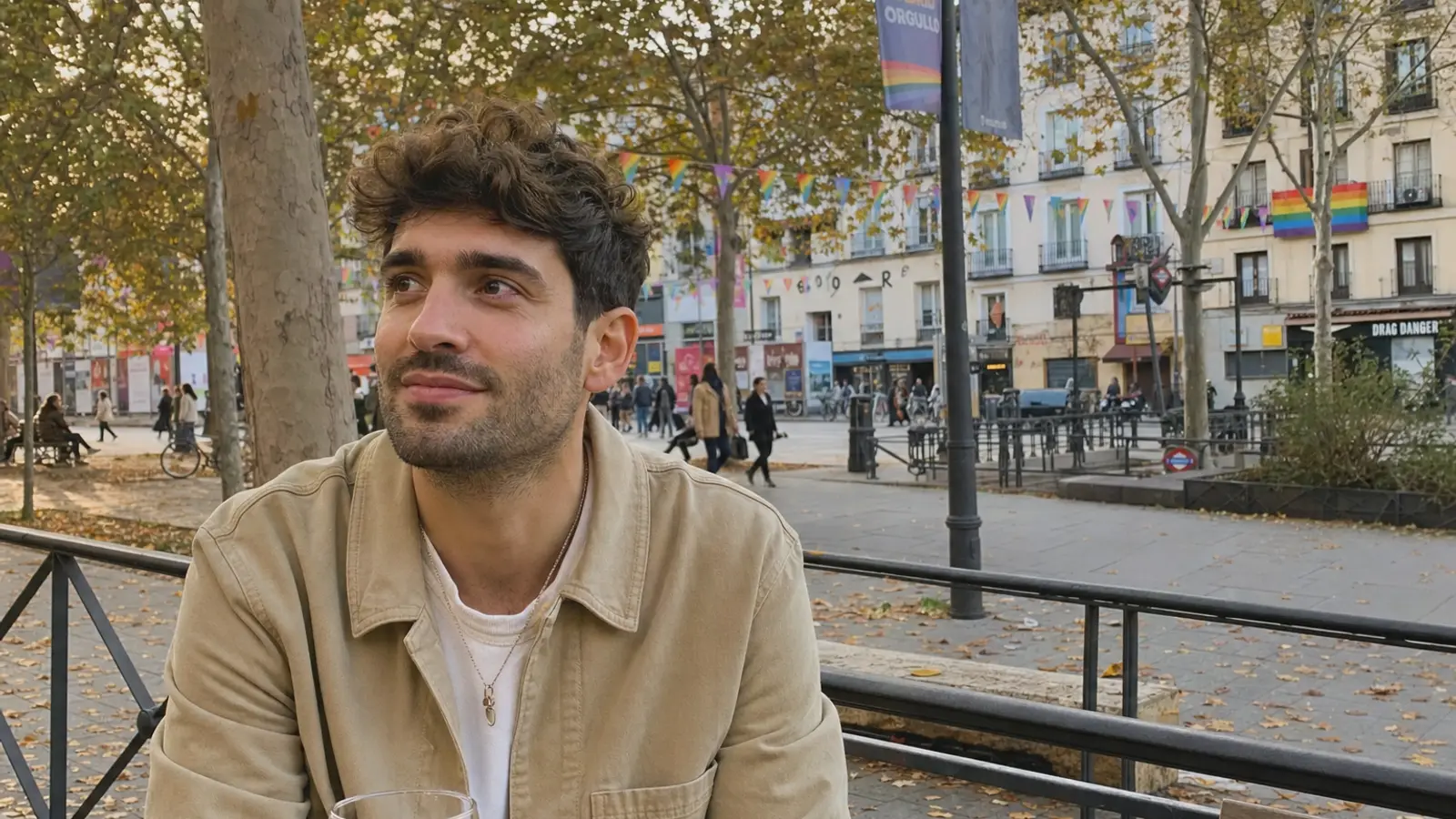
Cómo celebrar el Orgullo si visitas Chueca por primera vez
Descubre consejos prácticos para disfrutar del Orgullo en Chueca: eventos, programa MADO, transporte, gastronomía y actividades culturales imperdibles.
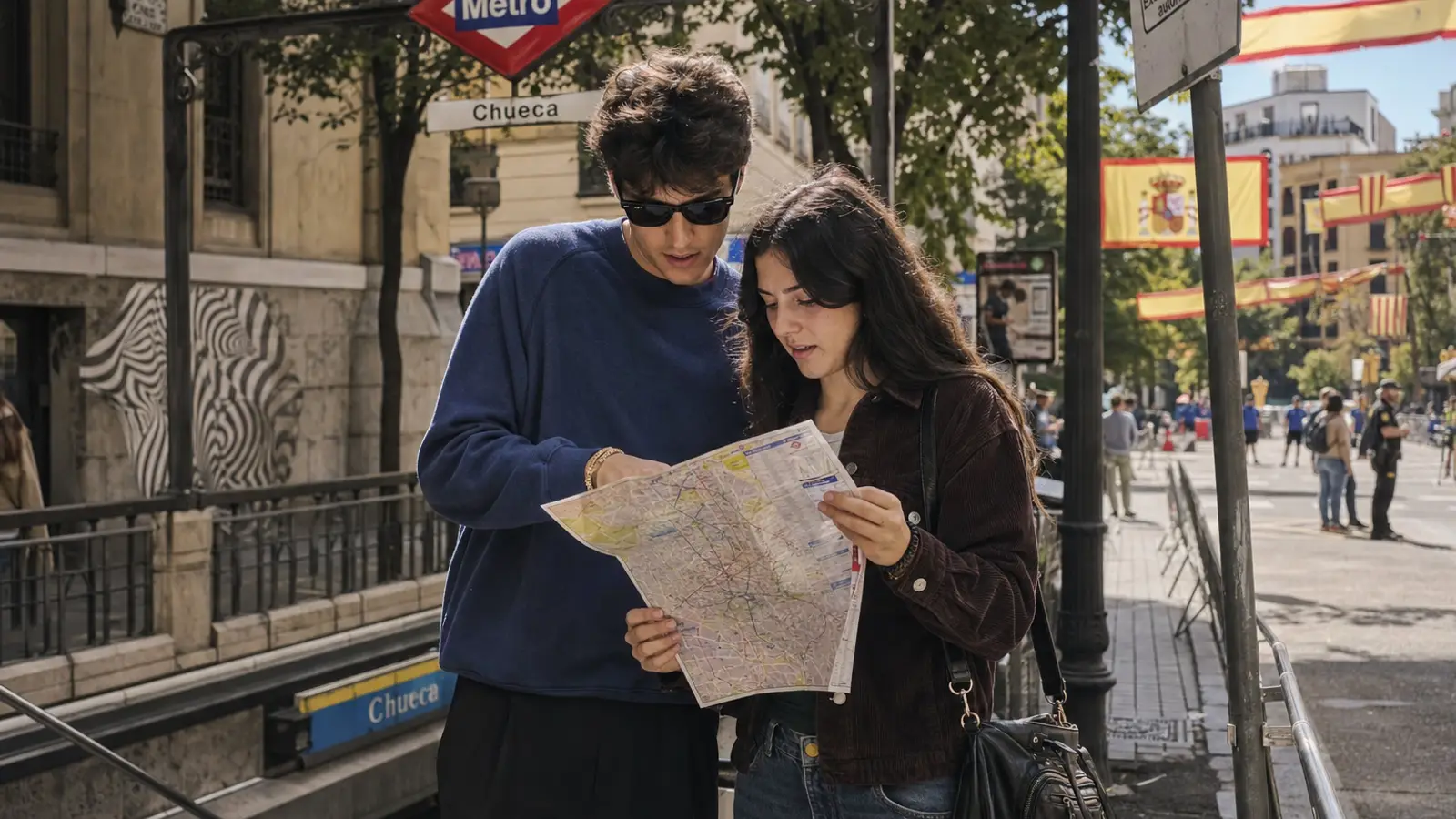
Guía del 12 de Octubre: cortes de tráfico y cómo moverte por el centro
Descubre los cortes de tráfico y cómo desplazarte por el centro de Madrid durante el desfile del 12 de Octubre. Horarios, rutas alternativas y consejos.

Calle Fuencarral: tiendas y secretos entre Chueca y Malasaña
Explora la Calle Fuencarral, el corazón entre Chueca y Malasaña. Tiendas, arte urbano, gastronomía y rincones únicos te esperan en este vibrante paseo.