

Radio Patio
First-timer's guide to Madrid Pride in Chueca
Discover Madrid Pride in Chueca with tips on events, MADO programme, navigating the neighbourhood, and enjoying the vibrant celebrations.
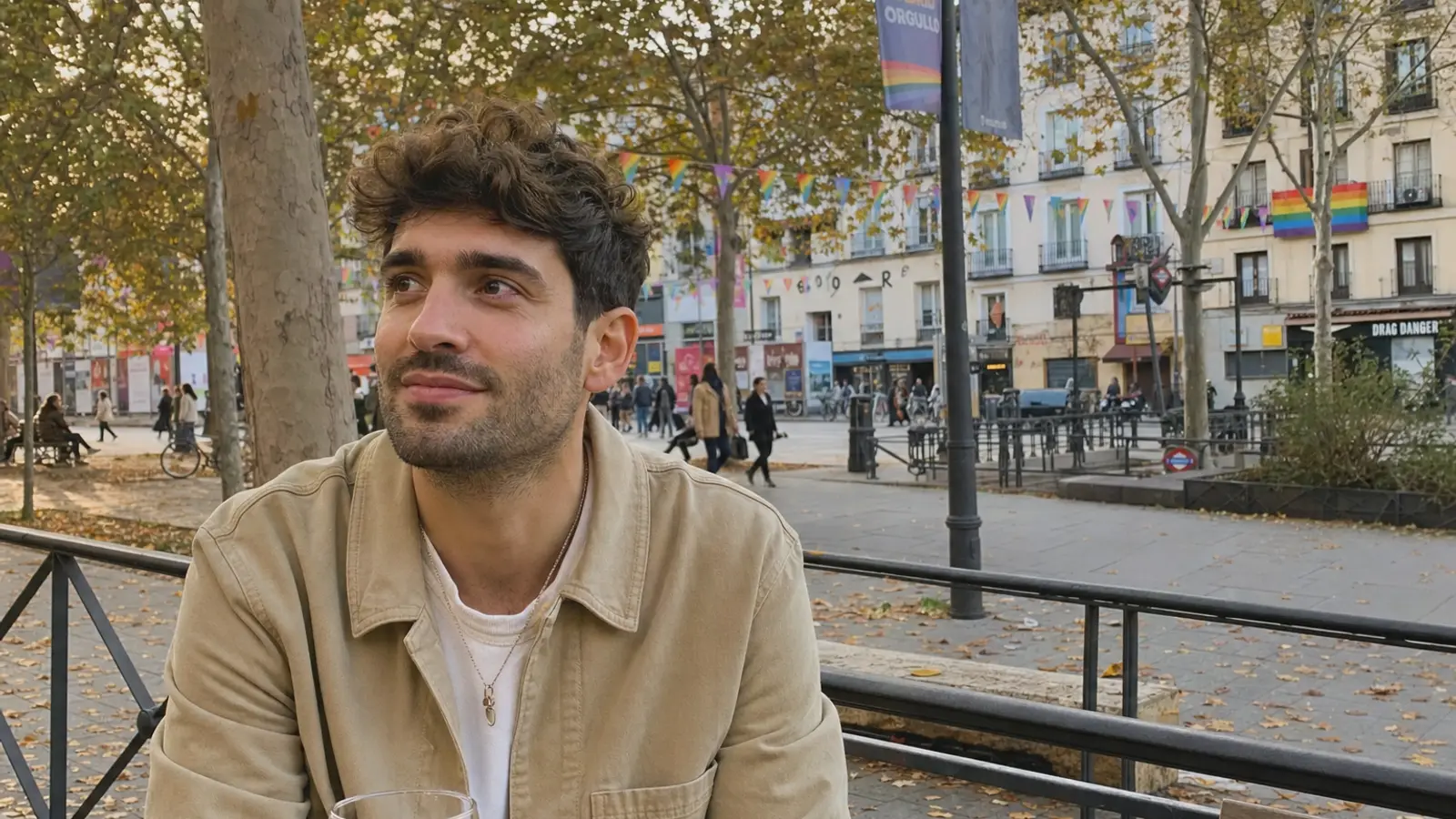
If it's your first time at Madrid Pride, Chueca is the place to be to experience the heart of the celebrations.
What is Madrid Pride and when does it take place?
Madrid Pride, or MADO (Madrid Orgullo) as it's officially known, is a major event on the international calendar. The dates shift slightly each year but always centre around 28 June, International LGBTQ+ Pride Day. For about a week, the city programmes cultural events, concerts, and talks. Much of it happens right here in Chueca.
The central event is the state demonstration, a massive march that runs from Atocha to Colón. The route doesn't pass through Chueca's narrow streets, but the neighbourhood is where much of the official MADO programming is based. We see it from the square. Stages are set up in Plaza de Pedro Zerolo, Plaza del Rey, and other key points.
In addition to the main march, the Pride week includes a variety of cultural activities such as film screenings, art exhibitions, and workshops. These events are designed to celebrate diversity and promote awareness about LGBTQ+ issues. Many of them are free, making it accessible for everyone to participate.
Madrid Pride is also known for its vibrant nightlife during the week. Many bars and clubs in Chueca host themed parties and special events, often featuring live performances by drag queens and DJs. These events typically start late in the evening and continue until the early morning hours, adding an electrifying energy to the neighbourhood.
Which events should you not miss?
The MADO programme is published a few weeks in advance, and it's worth checking the official schedule. Some events are fixtures. The pregón (opening speech) marks the official start, and the stages in Plaza de Pedro Zerolo and Plaza del Rey host free concerts most evenings. Key public figures and activists always take part.
Beyond the stages in Chueca, major cultural institutions schedule their own events. The Prado and Reina Sofía museums, for instance, often have special programming or themed tours during Pride week. It's worth looking up their calendars directly.
Another highlight is the High Heel Race, a fun and competitive event where participants race down Calle Pelayo in extravagant costumes and towering heels. It’s a spectacle that draws huge crowds and embodies the playful spirit of Pride.
For families, there are also kid-friendly activities during the daytime, such as storytelling sessions and workshops that teach inclusivity and respect. These events are often held in quieter areas, making them a great option for those attending with children.
Don't miss the Pride Parade, which is the largest event of the week and attracts hundreds of thousands of participants and spectators. The parade features elaborately decorated floats, live music, and performances. It’s a powerful and joyous celebration of love and equality.
How to get around Chueca during Pride?
Getting around during Pride means walking. Many streets in the centre, including most of Chueca, are closed to traffic. The Metro is the best way in, but the Chueca and Gran Vía stops can get completely saturated at peak times. It’s a fact of life during that week.
Our advice is to use the mornings to walk around, when the streets are quieter. Later in the day, the crowds build up significantly. The main advantage of being based here is that you can navigate the neighbourhood on foot and dip in and out of the action as you please. Everything is right on your doorstep.
If you're coming from other parts of Madrid, consider using less crowded Metro stops like Tribunal or Alonso Martínez and walking the rest of the way. Alternatively, bike-sharing services like BiciMAD are a great way to get around, though availability might be limited during peak times.
For those with mobility issues, it’s important to plan ahead. While many areas are accessible, the large crowds can make navigation challenging. Consider arriving early to events to secure a good spot and avoid the peak rush.
Where to eat and drink during Pride?
Chueca's food scene doesn't stop for Pride, but it does get busier. Some places will offer special menus, but the main change is the sheer number of people. The terraces right here on Plaza de Pedro Zerolo are ground zero for the atmosphere, which means they fill up fast.
For a slightly less intense meal, try the streets branching off the main squares, like Calle Libertad or Calle Pelayo. You'll find everything from traditional taverns to more modern spots. A key piece of advice guests ask us for: if you have a specific restaurant you want to try, book well in advance. Spontaneity can be difficult during MADO week.
If you're looking for quick bites, food trucks and pop-up stalls are set up around the main event areas. They offer everything from gourmet burgers to vegan options, catering to all tastes. For drinks, rooftop bars like the one at Room Mate Oscar Hotel provide a fantastic view of the celebrations.
For those who enjoy a more traditional experience, consider visiting one of the local bakeries or cafés for a coffee and a pastry. These quieter spots can offer a nice break from the hustle and bustle of the main events.
Is Pride only for the LGBTQ+ community?
MADO is rooted in the fight for LGBTQ+ rights, but the event itself is open. The crowds are a mix of all kinds of people, and the core message is one of inclusion. Everyone who respects that is welcome.
It's easy to get caught up in the music and the crowds, but MADO is fundamentally a demonstration. Its history is one of activism. Participating in the march or attending the cultural talks is a way to connect with that history, which is still being written.
For allies, attending Pride is an opportunity to show support and solidarity. It’s a chance to learn about the challenges faced by the LGBTQ+ community and to celebrate the progress that has been made. Respect and an open mind are the only requirements for participation.
Radio Patio
Keep reading
Metro de Madrid: la Línea 6 cierra este fin de semana entre Cuatro Caminos y Lucero
La Línea 6 del Metro de Madrid estará cerrada entre Cuatro Caminos y Lucero el 21 y 22 de octubre. Consulta horarios, alternativas y cómo afecta al centro.
Cómo celebrar el Orgullo si visitas Chueca por primera vez
Descubre consejos prácticos para disfrutar del Orgullo en Chueca: eventos, programa MADO, transporte, gastronomía y actividades culturales imperdibles.
Guía del 12 de Octubre: cortes de tráfico y cómo moverte por el centro
Descubre los cortes de tráfico y cómo desplazarte por el centro de Madrid durante el desfile del 12 de Octubre. Horarios, rutas alternativas y consejos.