

Radio Patio
Mesonero Romanos in Chueca: the chronicler of Pedro Zerolo Square
A plaque in Plaza de Pedro Zerolo tells the story: Mesonero Romanos, official chronicler, and a short route to see Madrid through his eyes.
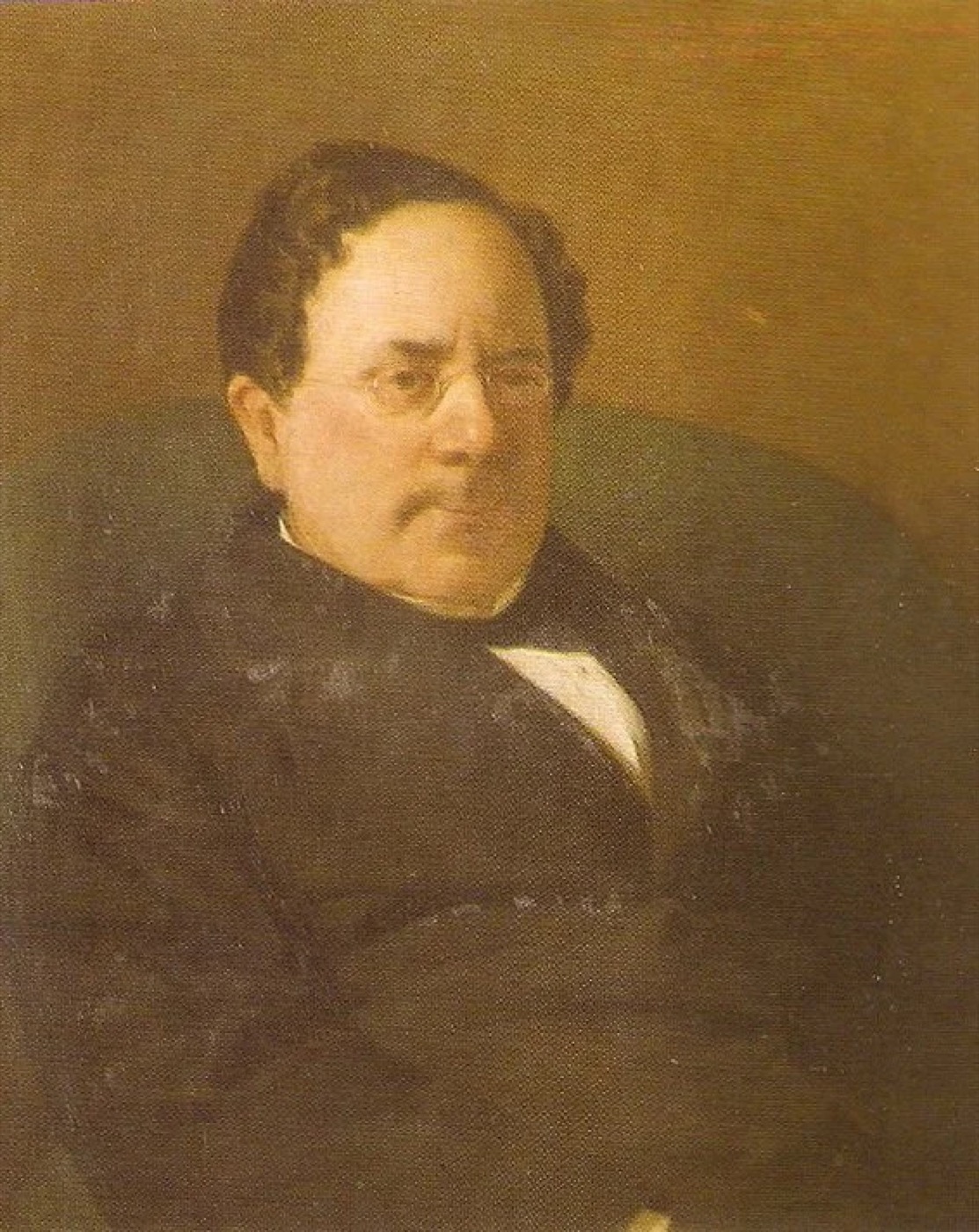
Some people know Madrid through its bars, museums or posters. Ramón de Mesonero Romanos knew it by walking, observing and writing. He was a writer, journalist, and the city’s first great ‘scene hunter’: the one who noticed what others overlooked and turned it into chronicles. It’s no coincidence that, in the heart of Chueca, there’s a plaque commemorating him in Plaza de Pedro Zerolo. This is where the house he lived and died in once stood, back when the square was still called Plaza de Bilbao.
Mesonero Romanos (Madrid, 19 July 1803 – 30 April 1882) was a writer and journalist, but above all, he was an observer. He signed his work as 'El Curioso Parlante' (The Curious Speaker), because his obsession was to recount what he saw and how the city functioned. In 1836, he founded the Semanario Pintoresco Español (Picturesque Spanish Weekly), a key 19th-century cultural magazine, and his journalistic career saw him contribute to various newspapers and publications.
The key to understanding the ‘character’ is that Mesonero didn’t write about Madrid as a postcard; he wrote about it as a living organism: its neighbourhoods, customs, characters, routines and contradictions. He published books that remain an emotional map of the capital today — Manual de Madrid (1831), Escenas matritenses (Scenes of Madrid) and El antiguo Madrid (Old Madrid) — and his work connected culture and city in a very modern way.
The title that made it official: first Chronicler of the City (1864)
Here’s the institutional detail: on 15 July 1864, the City Council appointed its first-ever ‘Chronicler of the City’, a lifetime role given to Mesonero Romanos. This meant that Madrid didn’t just read him; it recognised him as someone capable of narrating, preserving and explaining the city.
And let’s be clear, he wasn’t just a man locked in an office. Mesonero was also a city councillor (1845–1850) and was involved in hygiene and urban planning reforms. The Real Academia Española (Royal Spanish Academy) summarises it succinctly: he worked to clean up the city and took part in a significant urban transformation.
Chueca before it was ‘Chueca’: Plaza de Bilbao and the house where he lived and died
Now for the part that’s relevant to our neighbourhood blog: the current Plaza de Pedro Zerolo (formerly Plaza de Bilbao, later Plaza de Vázquez de Mella) has a direct connection to Mesonero because his house was located there. Research from the Instituto de Estudios Madrileños (Institute of Madrilenian Studies) confirms that Mesonero died on 30 April 1882 in his house in Plaza de Bilbao, and the City Council placed a commemorative plaque on the façade of the building where he lived and died.
That plaque was installed in 1885 and featured a relief bust and an inscription in his honour (including a reference to Escenas matritenses). Here’s a curious detail (and very Madrid): historical sources mention different numbers (6/7) associated with the house — due to changes in numbering and period references — but the essential fact remains: Mesonero’s memory is anchored in that square, at the edge where his house once stood.
What he wrote to ‘capture’ Madrid (and why it’s still useful in 2026)
Mesonero left something invaluable: a documented Madrid. His writings help us understand how the city behaved, what concerned its people, and how practices evolved. A modern plaque from Memoria de Madrid (different from the one in Zerolo) reminds us that he was a journalist, founder of publications, and that his appointment as official chronicler began in 1864.
If there’s one takeaway: Mesonero turned the everyday into heritage. What we might now call ‘neighbourhood vibes’, he captured in pages.
Why Mesonero fits so well with Chueca
Chueca is a neighbourhood of streets, glances, and ‘let’s meet here and see what happens’. And Mesonero, who lived and died in the square before it was called Zerolo, is the perfect reminder that Madrid has been like this for centuries: an ongoing conversation in public spaces. If you want a cultural blog that doesn’t feel like a museum, Mesonero is gold: he gives you biography, city, plaques, a route, and a powerful closing thought: Madrid is best understood when you observe it without rushing.
Radio Patio
Keep reading
Cómo celebrar el Orgullo si visitas Chueca por primera vez
Descubre consejos prácticos para disfrutar del Orgullo en Chueca: eventos, programa MADO, transporte, gastronomía y actividades culturales imperdibles.
Guía del 12 de Octubre: cortes de tráfico y cómo moverte por el centro
Descubre los cortes de tráfico y cómo desplazarte por el centro de Madrid durante el desfile del 12 de Octubre. Horarios, rutas alternativas y consejos.
Calle Fuencarral: tiendas y secretos entre Chueca y Malasaña
Explora la Calle Fuencarral, el corazón entre Chueca y Malasaña. Tiendas, arte urbano, gastronomía y rincones únicos te esperan en este vibrante paseo.