

Radio Patio
Mili Hernández and Berkana: the daytime visibility of Chueca
Mili Hernández and Berkana: the LGBTQ+ bookshop that shaped Chueca. History, resilience, and why it remains crucial from 2000 to today.
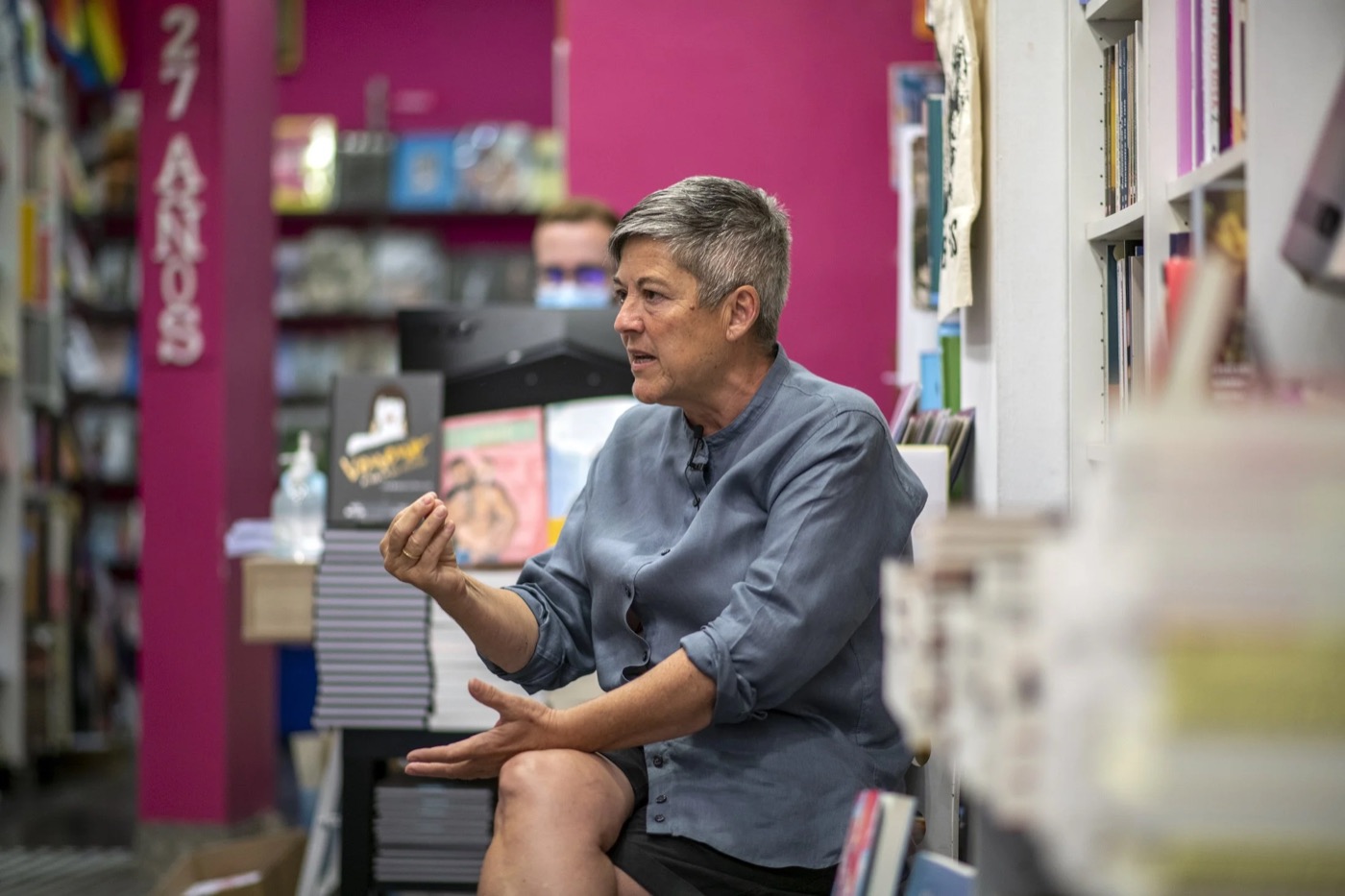
Chueca has two lives: the one everyone imagines (night, music, people, freedom at full volume) and the one that sustains the neighbourhood when morning comes. That second life — visibility in the daylight, conversations that start quietly and end up changing you inside — has a name: Mili Hernández.
If Chueca today is synonymous with an open neighbourhood, it’s not just because of what happened in the squares or in the laws. It’s also because of what happened inside a bookshop: Berkana, a space that, long before the 2000s, put something radical in its shop window: we exist.
Mili Hernández: returning to Madrid to open a door
The story that’s rarely told is this: Mili Hernández didn’t just “set up a shop.” She returned to Madrid with a clear idea after living abroad — with very specific references to LGBTQ+ bookshops in London and New York — and decided to build in Spain what she had missed when she was looking for answers.
In interviews, Mili has explained it with a phrase that works as a declaration of intent: her bookshop was born with an almost emergency purpose, as a place to hold onto when there were no resources, no narratives, no shelves that named you.
And that intention is evident in what Berkana has been ever since: a cultural space, yes, but also a point of orientation, a living “library” (even if it’s a bookshop) where the value isn’t just in the book you buy, but in the click in your head when you find the exact title no one had recommended because, simply, no one was talking about it.
Berkana before the 2000s: opening without a catalogue and surrounded by fear
Berkana was founded in 1993 and was a pioneer from the start: the first bookshop specialising in LGBTQ+ culture in Spain and Latin America.
What’s striking is how it began: without a real market. In its own history, it’s stated plainly: “there weren’t enough books to fill our shelves” and, moreover, “our customers still hadn’t lost the fear of being visible.”
That detail explains why Berkana changed Chueca beyond sales: when someone enters a place like this for the first time, they’re often not just entering to buy. They’re entering to check if the world has a place for them.
It also explains why Mili took another key step: founding Editorial Egales (established in 1995) to publish and promote LGBTQ+ literature in Spanish when it was almost non-existent.
2000 onwards: Berkana becomes an anchor
From the 2000s, Chueca accelerated: more visibility, more tourism, more media attention. And, as happens with any neighbourhood that becomes a “brand,” there’s the risk of the essential turning into decoration.
In this shift, Berkana acted as a daytime cultural anchor: while the neighbourhood multiplied its layers, the bookshop kept holding onto a very clear idea: visibility doesn’t only happen at night.
This isn’t a metaphor: Mili Hernández is specifically associated with that visibility “in broad daylight,” and Berkana is remembered as a business that dared to show itself in the neighbourhood when it was still difficult.
And to understand what “anchor” means in Chueca, think about this: a bookshop like this creates community in a quiet yet powerful way. You don’t need an event for something to happen. It happens because the editorial selection is designed for someone to find themselves; it happens because the shop window speaks to the street; it happens because people come in, ask, recommend, return.
Berkana as a “library”: the emotional archive of the neighbourhood
Calling it a “library” isn’t a romantic mistake: it’s a way of saying that Berkana has operated as an emotional archive.
In journalistic pieces about Berkana, one idea keeps coming up: that countless people have passed through its doors, even more than some formal activist spaces. And it makes sense. A bookshop is less intimidating: you enter with an excuse (“I’m here for a book”) and leave with something much bigger (“now I know what this thing I feel is called”).
And if we’re talking about Chueca “from 2000 onwards,” there’s a fact that helps understand the context: equal marriage in Spain was approved with Law 13/2005, a historic change that consolidated rights and pushed public conversation forward. Berkana was already there before, during, and after: accompanying social change with culture, which is what ensures rights don’t remain just on paper.
The tough years also matter: 2017 and the uncomfortable question of “can the essential disappear?”
In 2017, Berkana was on the verge of closing, and its owners launched support campaigns to sustain the project in the face of an increasingly tough market (online competition, piracy, etc.).
That episode left a lesson that’s far from glamorous but very real: the places that change a neighbourhood don’t always sustain themselves alone. They survive because the community understands that if they disappear, it’s not just “a business” that’s lost; it’s memory, refuge, and continuity.
2025: when the shop window is attacked, the symbol becomes clear
In August 2025, Berkana suffered a vandal attack that damaged its shop window. The incident was widely reported and condemned by associations and public figures; even so, the bookshop opened as usual.
Sharing this isn’t about dwelling on the harm. It’s about remembering something important to understand Chueca today: visibility isn’t a straight line. A neighbourhood symbol also needs care. And Berkana, precisely because it’s a cultural symbol, sometimes becomes a target… and yet it persists.
30 years later: Berkana enters institutional conversations without losing its connection to the street
When a project reaches decades, something curious happens: what was once “marginal” becomes history.
In 2024 (as part of Pride activities), the Biblioteca Nacional de España (National Library of Spain) organised a roundtable tribute titled “30 years of LGBTQ+ literature. Tribute to Berkana,” an explicit recognition of its cultural role.
This gesture matters for two reasons:
Berkana today: useful information (and why it’s still an essential stop in Chueca)
Berkana is still located at Calle Hortaleza, 62 (28004 Madrid). And if you’ve never been inside, there’s something you’ll notice quickly (even from outside): a direct, recognisable aesthetic, with a fuchsia/pink façade and a shop window that acts as a cultural statement (covers, messages, agenda).
Official contact (according to their website):
Opening hours (public reference): Time Out indicates it’s open every day with variations:
Neighbourhood note: hours may change on holidays or special weeks; before visiting, check their official Instagram.
What Berkana represents in 2026 (and why Mili Hernández still matters)
Today, it’s easy to romanticise Chueca. To make it “pretty” and leave it at that. But the real story — the one that carries weight — is about those who built spaces when there was no manual.
Mili Hernández represents that: the decision to turn culture into infrastructure. To set up a bookshop that worked as a resource library, a mirror, and a refuge. And to sustain it for decades in a neighbourhood that changes quickly.
For El Patio de Chueca, this story is part of the neighbourhood’s DNA: because here, social life isn’t just about fun; it’s about community. And Berkana is one of those places that reminds you that community is also built with books, with conversation, and with daytime courage.
Radio Patio
Keep reading
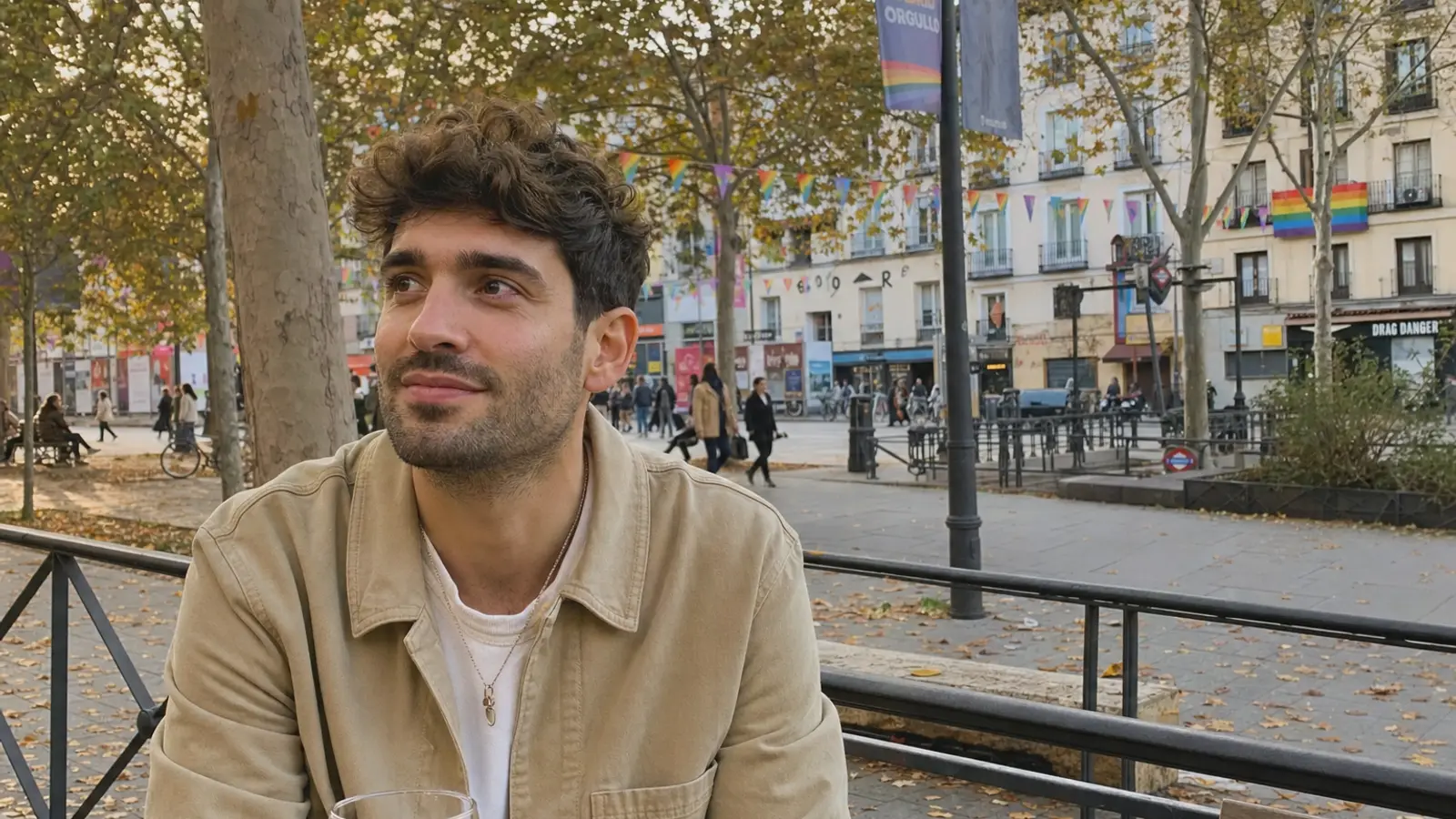
Cómo celebrar el Orgullo si visitas Chueca por primera vez
Descubre consejos prácticos para disfrutar del Orgullo en Chueca: eventos, programa MADO, transporte, gastronomía y actividades culturales imperdibles.
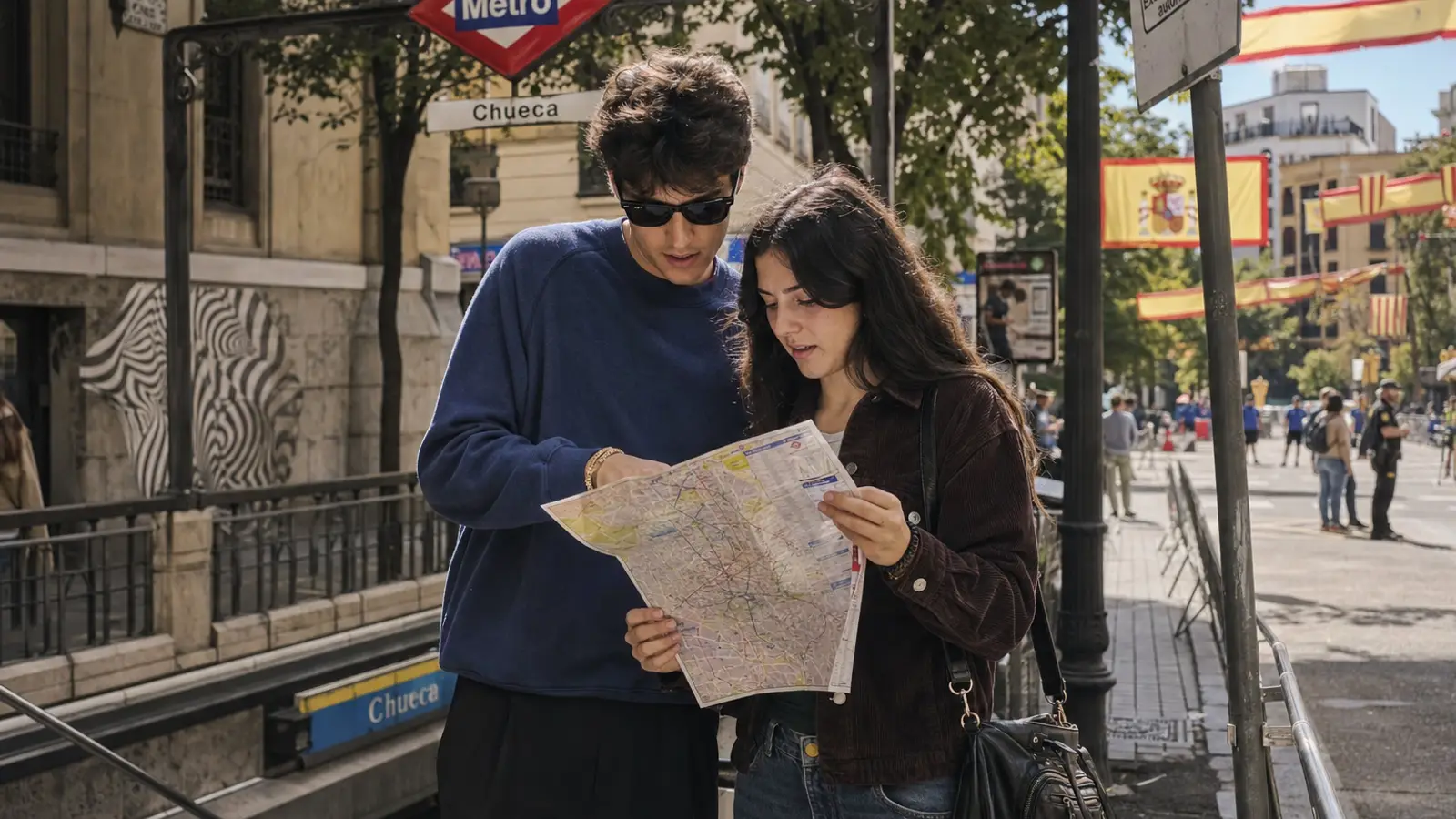
Guía del 12 de Octubre: cortes de tráfico y cómo moverte por el centro
Descubre los cortes de tráfico y cómo desplazarte por el centro de Madrid durante el desfile del 12 de Octubre. Horarios, rutas alternativas y consejos.
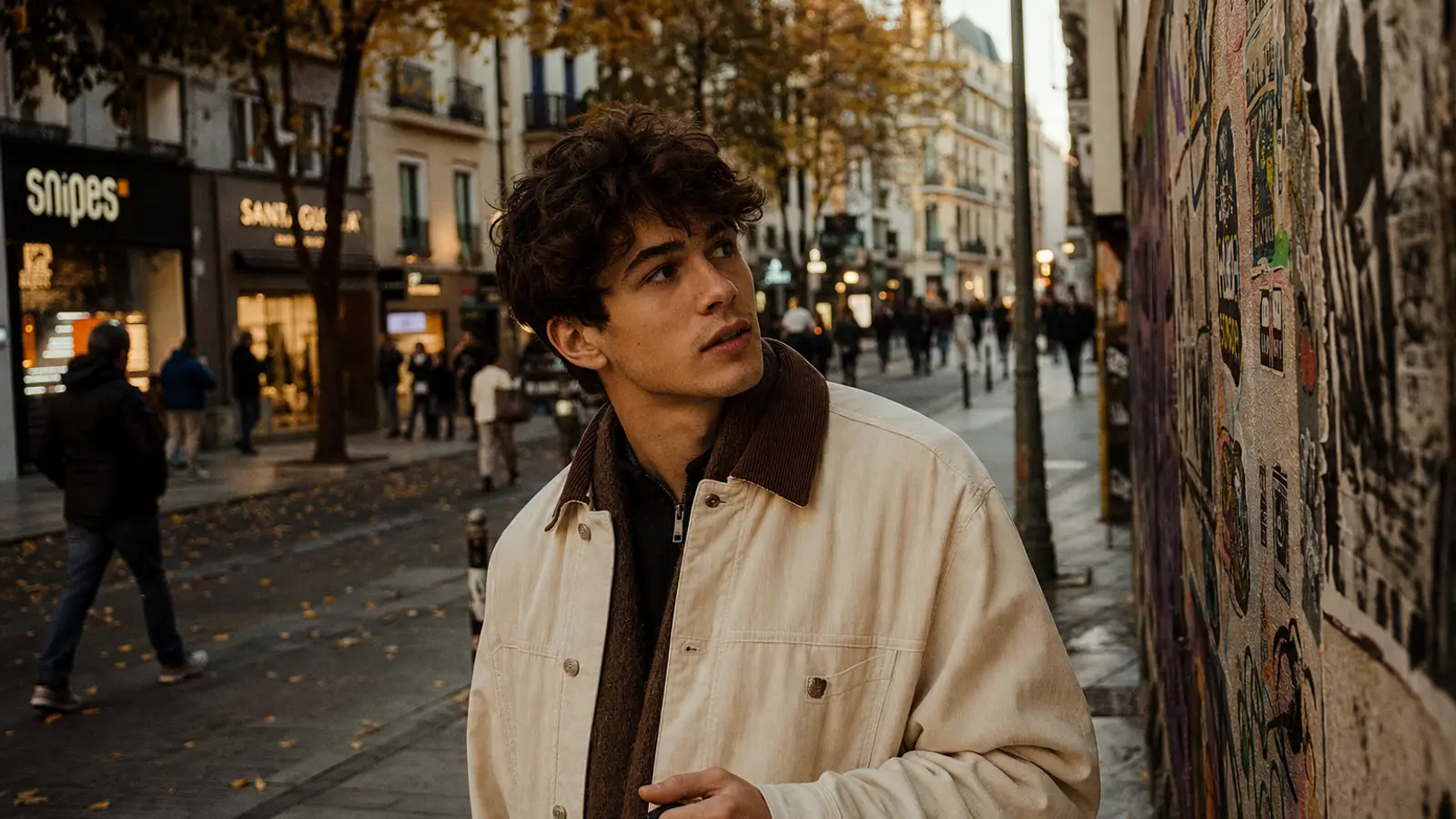
Calle Fuencarral: tiendas y secretos entre Chueca y Malasaña
Explora la Calle Fuencarral, el corazón entre Chueca y Malasaña. Tiendas, arte urbano, gastronomía y rincones únicos te esperan en este vibrante paseo.