

Radio Patio
Museums near Chueca: routes, free galleries, and tips
Plan your cultural route from Chueca with museums like Romanticismo, Historia, and MAPFRE. Free options, walking times, and affordable prices.
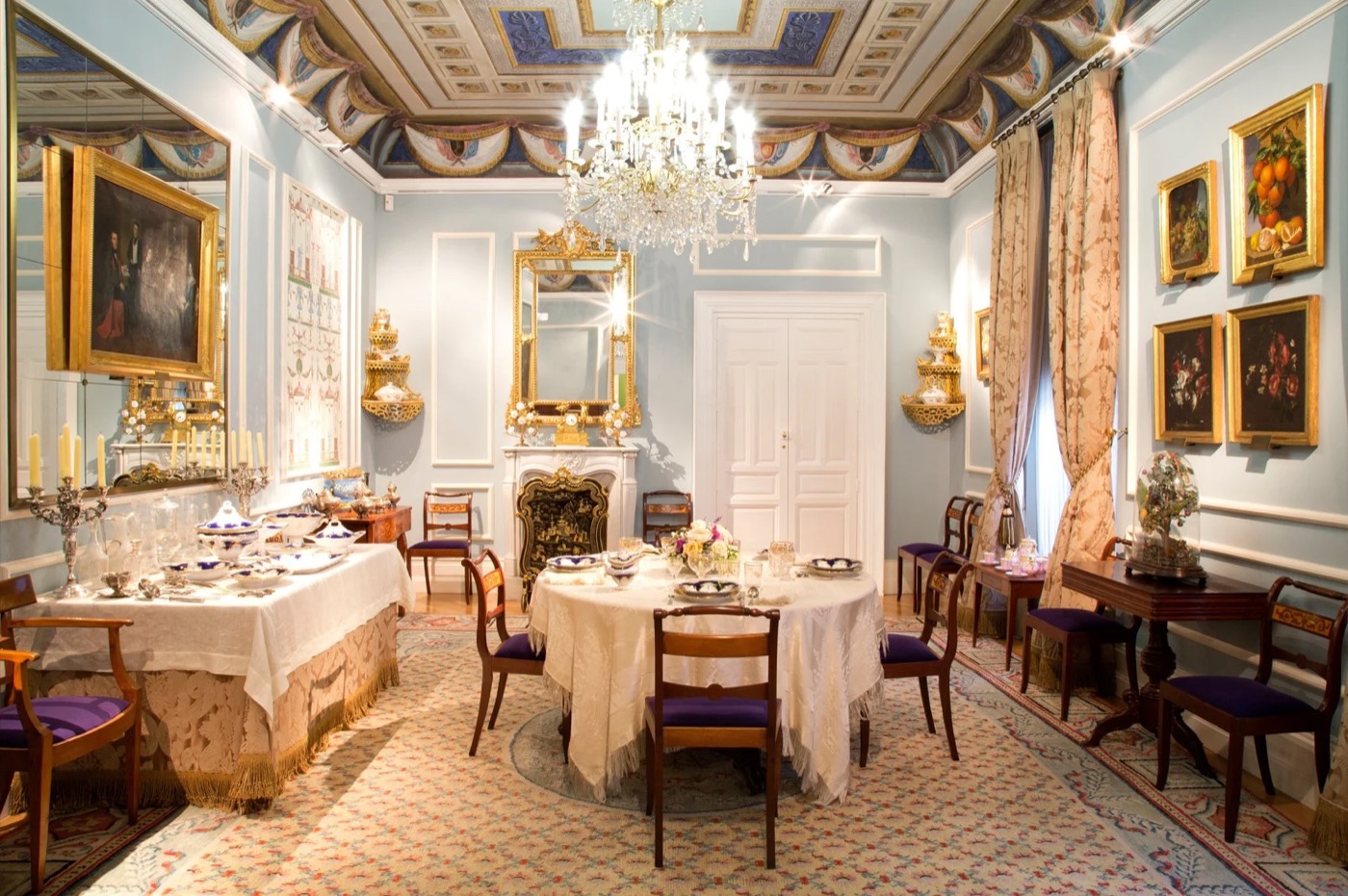
Honest spoiler: in Chueca itself, you won’t find a massive museum right next to El Patio, but you do get something better for a social traveller: a walkable route through the city centre with intimate museums, free galleries, and buildings with incredible history. In true Patio style: you go, chat, take photos, leave, and the neighbourhood keeps offering more plans.
Before heading out: 3 things to keep in mind
From Chueca/Metro Chueca, it’s 10–12 minutes to the Romanticismo, 15–20 minutes to the Museo de Historia, and 18–25 minutes to Fundación Telefónica/Alcalá 31/MAPFRE (depending on your pace). You can spend almost the whole day for €0 (Historia, Telefónica, Alcalá 31) and add Romanticismo (€3) and/or MAPFRE (€5) if you fancy it. Make sure to book for Espacio Fundación Telefónica: many exhibitions require a free ticket (it’s quick to do, but better not to turn up unprepared).
Option A (chilled morning + exhibitions in the afternoon):
Option C (with a pro finish): Either of the above + Fundación MAPFRE (Recoletos) at the end.
Museo del Romanticismo: the house-museum that immerses you in an intimate Madrid
This museum is housed in an 18th-century mansion (the former palace of the Marqués de Matallana) and became a museum in 1924 under the name “Museo Romántico,” promoted by the Marqués de la Vega-Inclán. Before that, the building even served as the headquarters of the Comisaría Regia de Turismo (Royal Tourism Office).
It’s one of those places where you naturally lower your voice: softly lit salons, period details, and a feeling of “I’m sneaking into a beautiful home” rather than a traditional museum. Perfect for a group visit because this always happens: someone points out an object, and the rest start imagining life there (19th-century gossip included).
It’s not a “wander through 30 rooms and forget about it” kind of place: it’s better to focus on three highlights:
Useful info for 2026 (to plan your visit)
Patio bonus (and yes, you’ll want to stay here)
Café del Jardín: a little “oasis” inside the museum, with greenery and calm.
Museo de Historia de Madrid: the free museum that explains the city
The museum is located in the former Hospicio de San Fernando, an 18th-century building associated with Pedro de Ribera. As an institution, it began as the Museo Municipal in 1929 and was renamed the Museo de Historia de Madrid in 2007. The Ayuntamiento (City Council) reminds us of its powerful origins: the hospice was initially a charitable institution (providing shelter for the poor and sick) during the reign of Felipe IV, before evolving into today’s museum.
It’s free, and its collection is an engaging “mix”: paintings, drawings, prints, photographs, postcards, maps, fans, coins, medals… all pieces that tell the story of Madrid becoming a metropolis.
It’s a great museum to visit with friends because it sparks conversations: “Look at this,” “Can you imagine?”, “Wow, Madrid has always been Madrid.”
Espacio Fundación Telefónica (Gran Vía): free exhibitions + iconic building
The Espacio opened in 2012 inside the Edificio Telefónica on Gran Vía, with the aim of connecting technology, arts, and humanities. The building itself is a piece of Madrid’s history: designed by Ignacio de Cárdenas, built between 1926 and 1929, and inspired by New York skyscrapers.
It’s the kind of place that leaves you with something to talk about: contemporary exhibitions, digital culture, photography, art… and it’s easy on the wallet. It strikes the perfect balance between “let’s see something” and “don’t turn this into a lecture.”
The key detail (booking)
Here’s the crucial bit: entry is free, but exhibitions often require you to book a free timed ticket. Patio tip: book the same time slot for everyone, and go as a group.
Sala Alcalá 31: free contemporary art
It’s not a museum in the traditional sense but an exhibition space run by the Comunidad de Madrid. The standout feature: it’s housed in a building by Antonio Palacios, constructed between 1935 and 1943 for the Banco Mercantil e Industrial, and repurposed as a gallery in 2002.
Why it fits a Chueca blog
Because it’s a “step in and be amazed” kind of plan: the space has a monumental feel, and the exhibitions focus on contemporary art (perfect for sparking debates with your group: “What does this mean to you?”). And it’s free, which is always appealing.
Fundación MAPFRE – Sala Recoletos
Located on the Recoletos axis, in a historic building known as the Palacio de Medina de las Torres (the Fundación itself highlights it as the home of its exhibition halls since 2008). This isn’t a “pop in for a quick look” kind of place: it’s for exhibitions with serious production value.
It gives your day a “pro” finish: if you want your blog to go beyond “free cultural centre,” MAPFRE adds that touch of museum-quality depth that rounds off the post.
Useful info (according to Fundación MAPFRE)
Final thoughts: Are there museums in Chueca? Yes… if you walk Madrid the right way
It’s not about “stepping out of the hostel and into a museum in 2 minutes.” It’s better: Chueca puts you at the centre of it all. Within a reasonable walk, you’ll find a 19th-century house-museum, a museum that tells Madrid’s story for free, a skyscraper building with contemporary exhibitions, and an art space with stunning architecture. And that mix is exactly what makes the plan so Patio: cultural, walkable, social, and without pretence.
Radio Patio
Keep reading
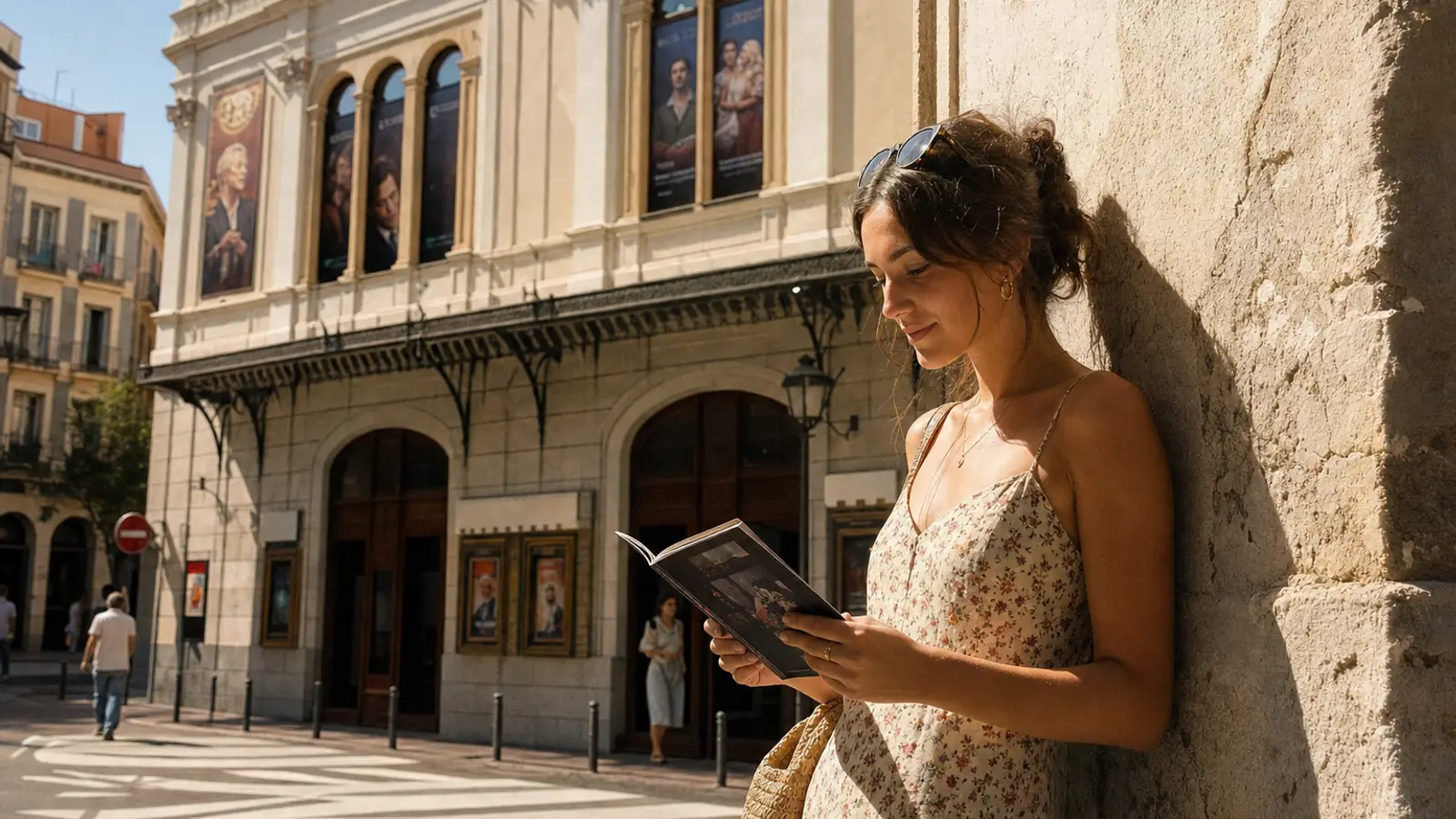
Rutas culturales desde Chueca: teatros y cine en el centro
Explora teatros, cines y espacios culturales cerca de Chueca. Desde clásicos como el Teatro Lara hasta el Cine Doré, descubre el Madrid cultural.
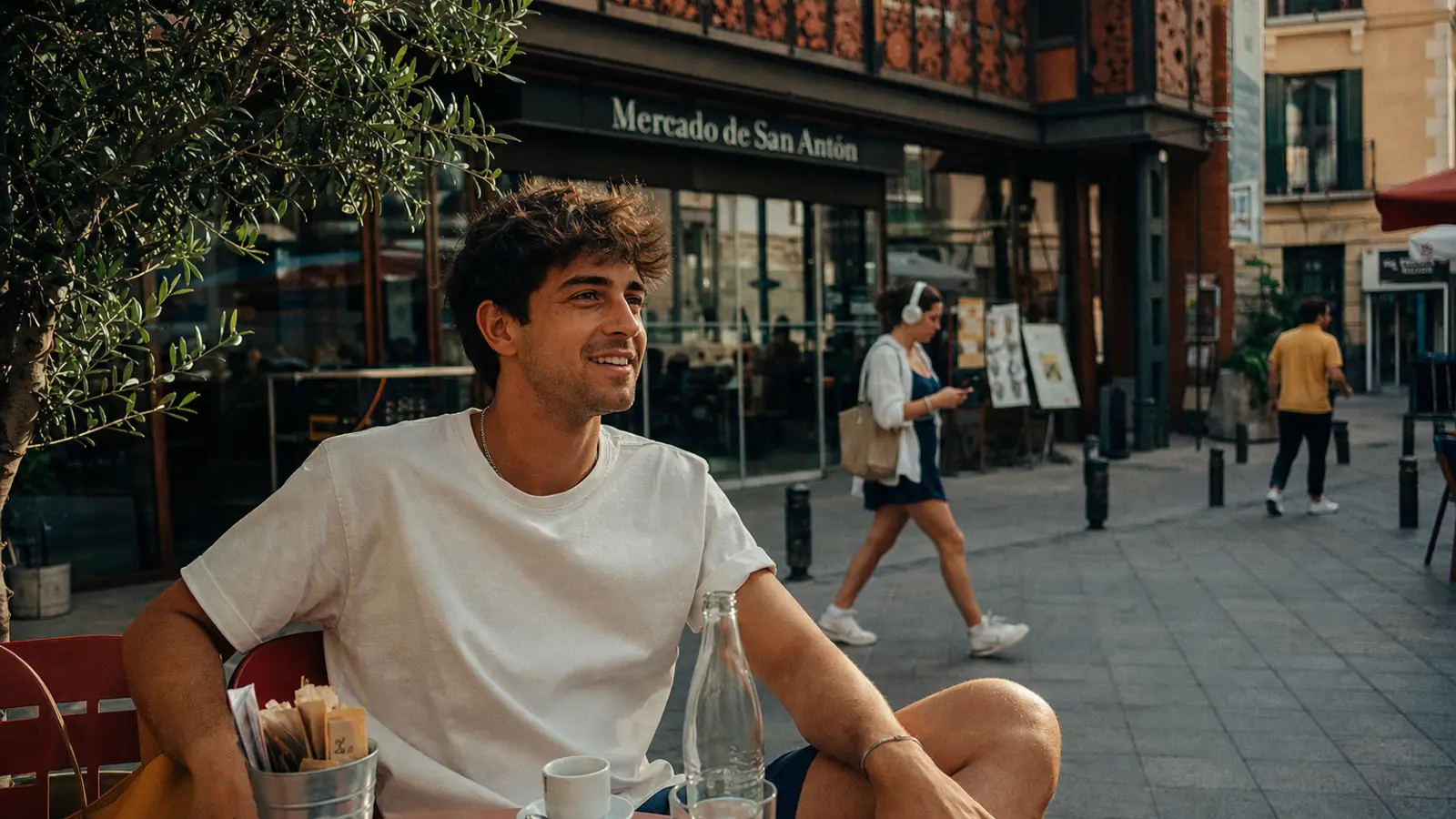
Los alojamientos más cómodos cerca del Mercado de San Antón
Descubre alojamientos cómodos y prácticos a pocos minutos del Mercado de San Antón en Chueca, Madrid. ¡Explora el barrio desde la Plaza de Pedro Zerolo!
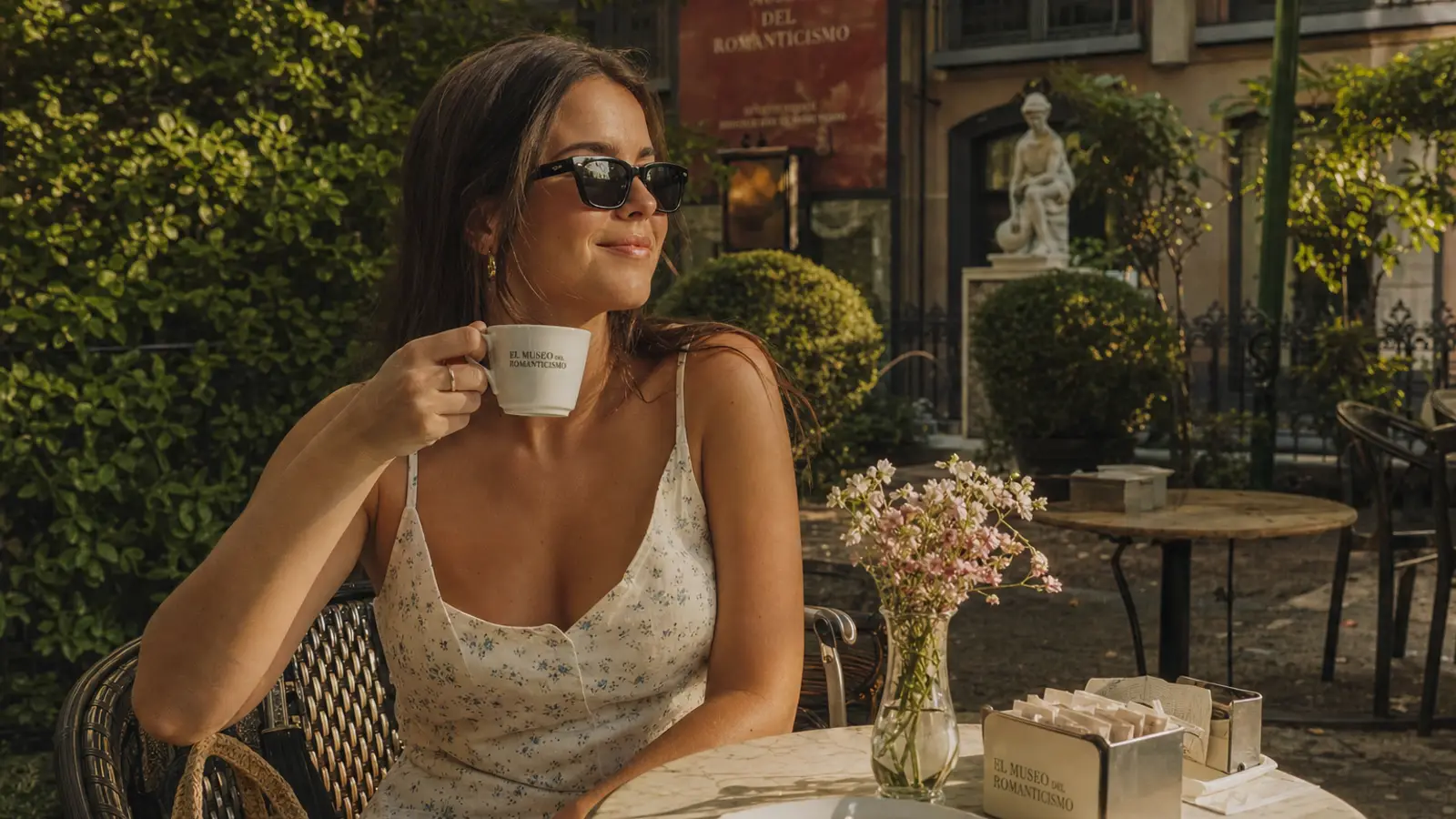
Un día en el Museo del Romanticismo: visita desde Chueca
Descubre el Museo del Romanticismo en Madrid, cerca de Chueca. Vive el siglo XIX con arte, cultura, actividades y un jardín encantador.