

Radio Patio
San Isidro Festival 2026: A Practical Guide
Origins, the hermitage, saint's water, doughnuts and what's confirmed for 2026. Plan your day at the Pradera with this guide.
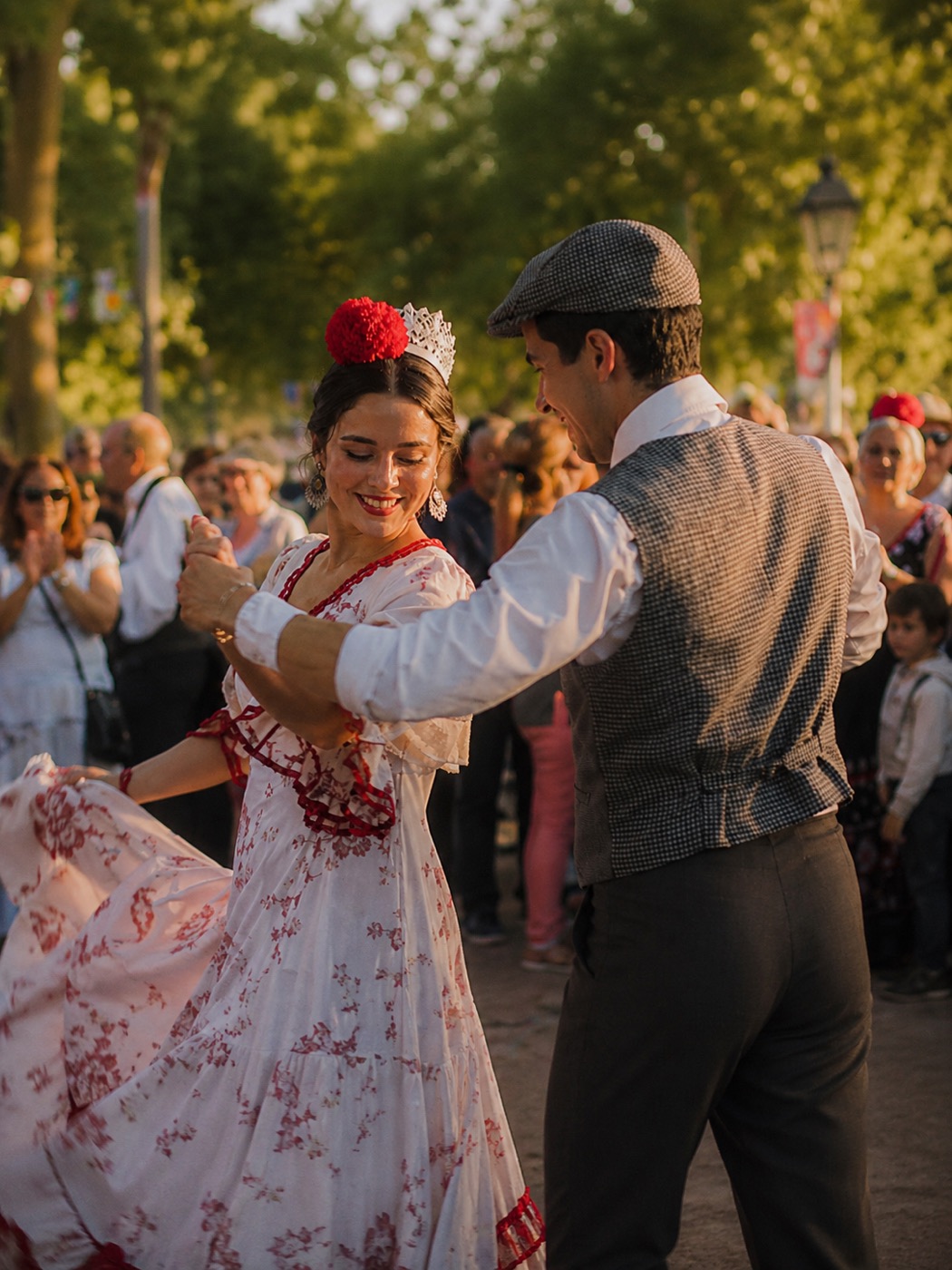
Madrid has many festivals, true. But San Isidro is something else: it’s not just a line-up of concerts, but a tradition blending devotion, a pilgrimage, a traditional picnic and a park buzzing with life. And the heart of it all has a name: the Pradera (now the Parque de San Isidro).
When did San Isidro begin? From medieval Madrid to a major popular festival
To understand “when it began,” we need to separate two things: devotion to the saint and the festival/pilgrimage as we experience it today.
San Isidro’s biography itself is a mix of history and legend. Tradition places him between the 11th and 12th centuries (approx. 1082–1172).
The key point is that, although his life is more oral tradition than documented history, devotion to him was solidified in the early 13th century, when his incorrupt body was discovered near San Andrés (according to the Museo de San Isidro).
The pilgrimage is tied to a very specific site: the hermitage and the fountain. Official tourist documentation explains that there are records of the hermitage’s existence from 1499, and in 1528 Empress Isabel of Portugal ordered a new sanctuary to be built next to the fountain.
This is where the popular ritual began: coming to drink the “saint’s water” and spending the day outdoors.
San Isidro was canonised on 12 March 1622, a major event in Madrid’s courtly life (and a cultural boost for his cult).
If today we imagine the Pradera as a sea of people, it’s partly because it has been depicted that way. The Museo del Prado describes La Pradera de San Isidro (1788) as the area between the hermitage and the River Manzanares, with the city in the background, representing the 15 May festivities.
What is the Pradera de San Isidro?
When someone says “see you at the Pradera,” they’re essentially referring to the Parque de San Isidro in Carabanchel. The official cultural map explains that the park occupies the space of the old meadow next to the hermitage and remains the main meeting point on 15 May.
The official description is straightforward: it’s a large green space that, in mid-May, transforms into a fairground and hosts part of the San Isidro Festival.
The park itself also has walking areas, tree-lined meadows, fountains, a bike lane and children’s/dog areas, with the hermitage nearby.
Plans at the Pradera: timeless traditions (and still in 2026)
The tradition revolves around water and the saint. It’s customary to drink the “saint’s water” from the spring next to the hermitage during the pilgrimage.
In 2026, religious events are scheduled from 3 to 15 May, spread across the Pradera/Parque, the Colegiata and other locations, with the blessing of the water at the start of the month and an open-air mass on 15 May near the hermitage.
Insider tip (no fluff): if your priority is visiting the hermitage and getting close to the fountain, go during a “quiet” time (morning) and save the picnic for later. On 15 May, the area fills up quickly.
The official guide highlights the classics: lemonade and rosquillas (doughnuts – listas, tontas, Santa Clara, francesas).
What to order (with verified price ranges from Madrid bakeries):
Honest note: there will be stalls at the Pradera with different prices, but these ranges give you a real sense of what “tradition” costs at classic bakeries.
What makes San Isidro a full-day plan isn’t just “going to a park”: it’s that the Parque de San Isidro becomes a fairground during the festival. This means a funfair atmosphere, stalls, families, groups of friends, and that timeless Madrid vibe that doesn’t need showing off.
What’s on at San Isidro 2026
The San Isidro Festival 2026 is scheduled from 7 to 17 May (with the main day on 15 May). The city council (public sponsorship documents) places the bulk of the programme from 8 to 17 May.
The most useful info if your focus is the Pradera
Although these don’t take place at the Pradera, they mark the start:
Radio Patio
Keep reading
Cómo celebrar el Orgullo si visitas Chueca por primera vez
Descubre consejos prácticos para disfrutar del Orgullo en Chueca: eventos, programa MADO, transporte, gastronomía y actividades culturales imperdibles.
Guía del 12 de Octubre: cortes de tráfico y cómo moverte por el centro
Descubre los cortes de tráfico y cómo desplazarte por el centro de Madrid durante el desfile del 12 de Octubre. Horarios, rutas alternativas y consejos.
Calle Fuencarral: tiendas y secretos entre Chueca y Malasaña
Explora la Calle Fuencarral, el corazón entre Chueca y Malasaña. Tiendas, arte urbano, gastronomía y rincones únicos te esperan en este vibrante paseo.